Apollo 11
Apollo 11: The Historic Giant Leap That Continues to Reshape Our Future
On July 20, 1969, the world stood still. Millions of people huddled around flickering black-and-white television sets, holding their collective breath as a spindly, foil-wrapped craft descended toward the lunar surface. Today, the legacy of Apollo 11 remains more relevant than ever as we stand on the precipice of a new era of space exploration. From the dusty plains of the Sea of Tranquility to the modern-day ambitions of the Artemis program, the story of the first moon landing is a testament to human ingenuity and the relentless drive to explore the unknown.
The mission wasn't just a political victory in the heat of the Cold War; it was a profound shift in human consciousness. For the first time, humanity had left its home planet and set foot on another celestial body. This trending retrospective dives deep into the harrowing journey of Neil Armstrong, Buzz Aldrin, and Michael Collins, exploring the technology that powered them and why the lunar landing continues to trend in scientific circles today.
The Heart-Pounding Descent: 1202 Alarms and Seconds of Fuel
While history remembers the calm voice of Neil Armstrong announcing, "The Eagle has landed," the reality inside the Lunar Module was far from serene. As the craft descended toward the moon's surface, the onboard computer began flashing "1202" and "1201" program alarms. These were executive overflows—the computer was being asked to do too much at once. In the high-stakes environment of mission control, a young controller named Steve Bales had to make a split-second decision: abort the mission or keep going. He chose to go.
But the drama didn't end there. As Armstrong looked out the window, he realized the automated guidance system was steering them toward a boulder-strewn crater. With nerves of steel, he took semi-manual control, hovering the Eagle like a helicopter and skimming across the lunar landscape in search of a clear spot. Back at NASA mission control in Houston, the fuel gauges were dropping into the red. When the Eagle finally touched down, they had less than 30 seconds of landing fuel remaining. The tension was so thick that the flight controllers reportedly "turned blue" before the final confirmation of touchdown.
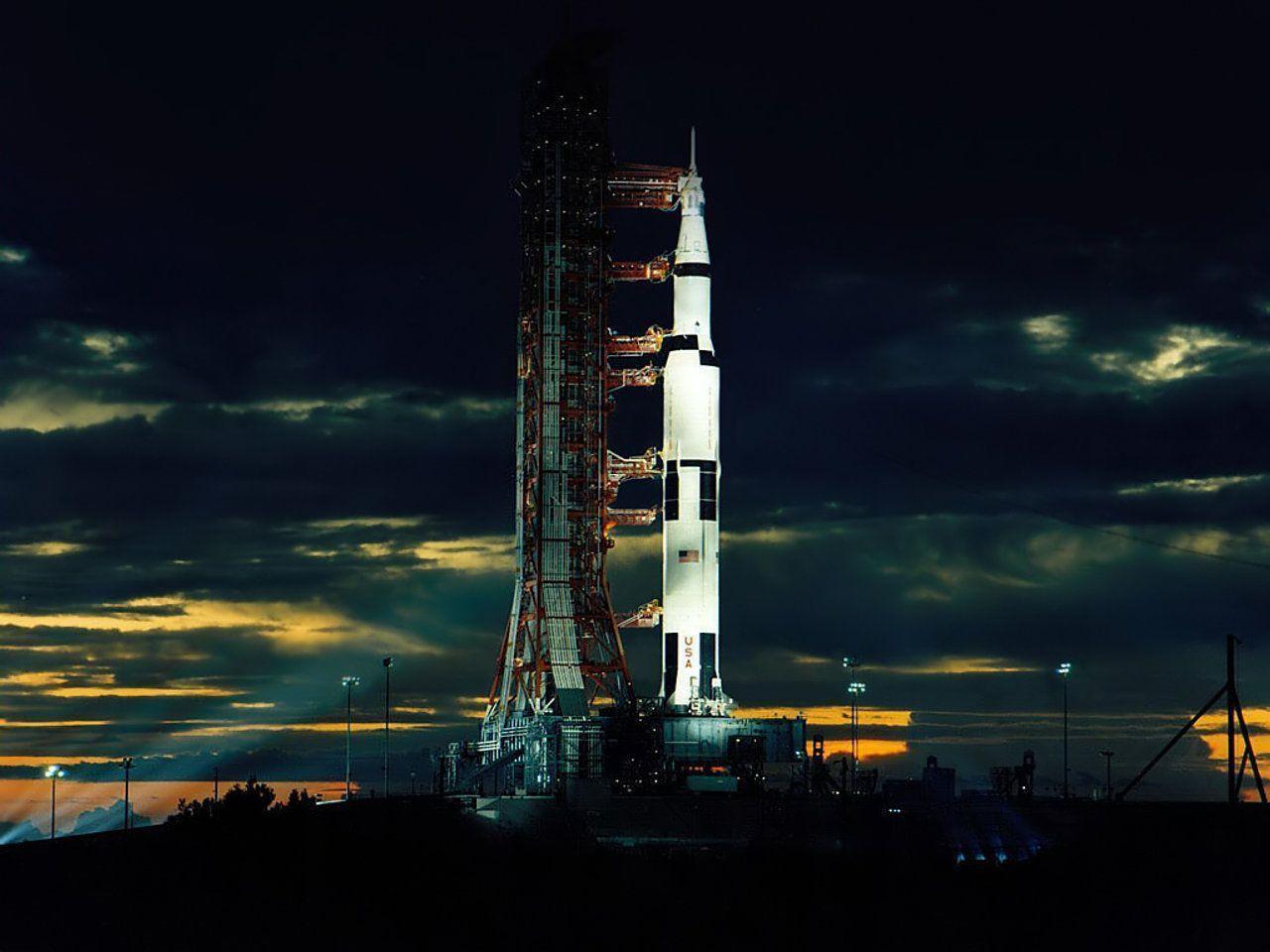
This moment of storytelling reminds us that Apollo 11 was not a guaranteed success. It was a calculated risk executed by three brave men and a team of 400,000 engineers, mathematicians, and seamstresses who worked behind the scenes to ensure the Saturn V rocket could pierce the heavens and return its cargo safely.
- Neil Armstrong: The mission commander and the first human to walk on the moon.
- Buzz Aldrin: The Lunar Module Pilot who joined Armstrong on the surface.
- Michael Collins: The Command Module Pilot who stayed in orbit, often called the "loneliest man in history."
- Sea of Tranquility: The flat volcanic plain chosen as the landing site for its relative safety.
Engineering the Impossible: The Saturn V and the Command Module
To understand the magnitude of Apollo 11, one must look at the machine that sent it there. The Saturn V remains the most powerful rocket ever successfully flown. Standing 363 feet tall, it generated 7.6 million pounds of thrust at launch—enough to vibrate buildings miles away. It was a three-stage masterpiece of engineering that burned through tons of fuel in mere minutes to escape Earth's gravity.
The spacecraft itself consisted of three main parts:
- The Command Module (Columbia): The living quarters and the only part that returned to Earth.
- The Service Module: Contained propulsion and support systems.
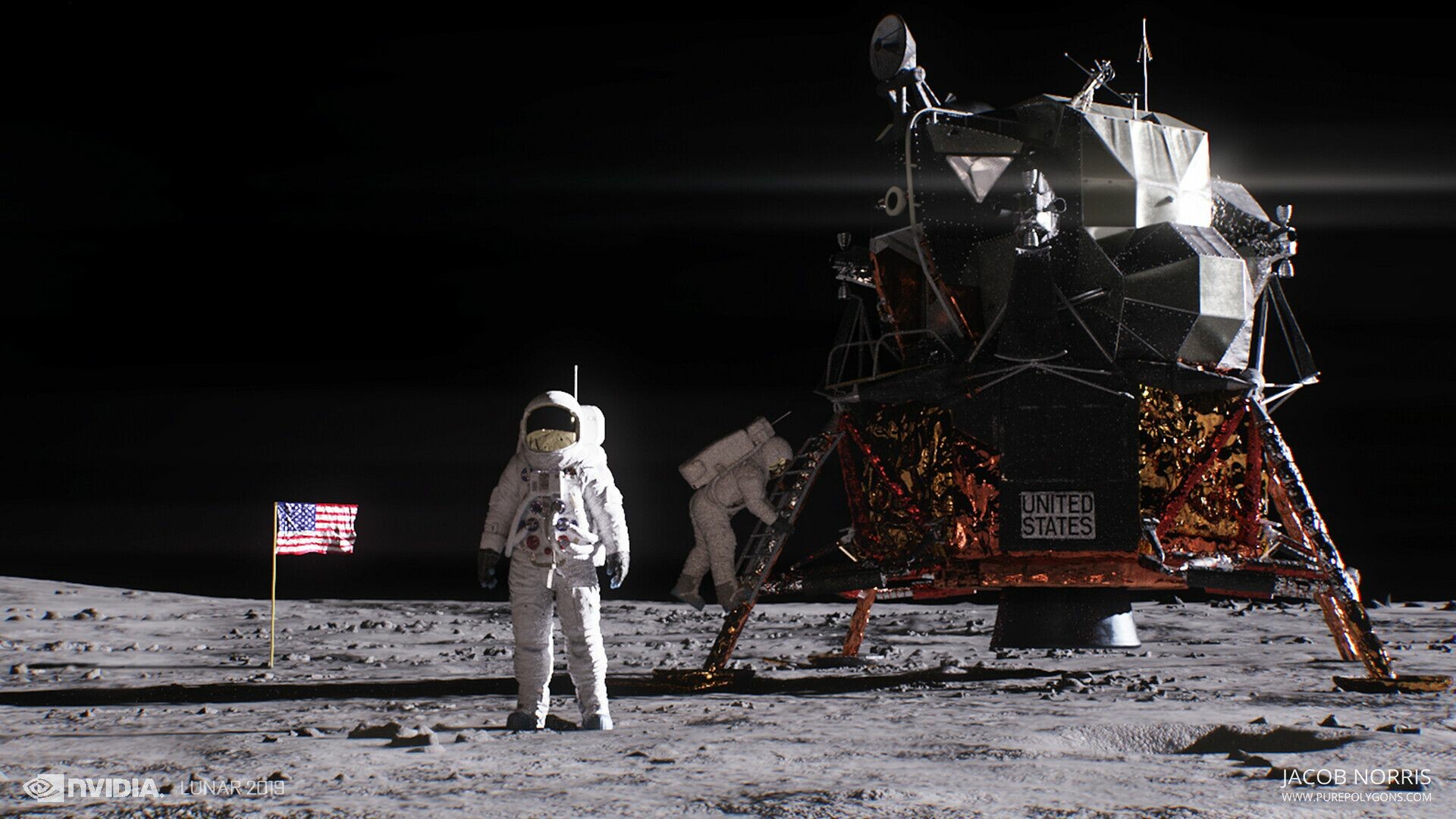
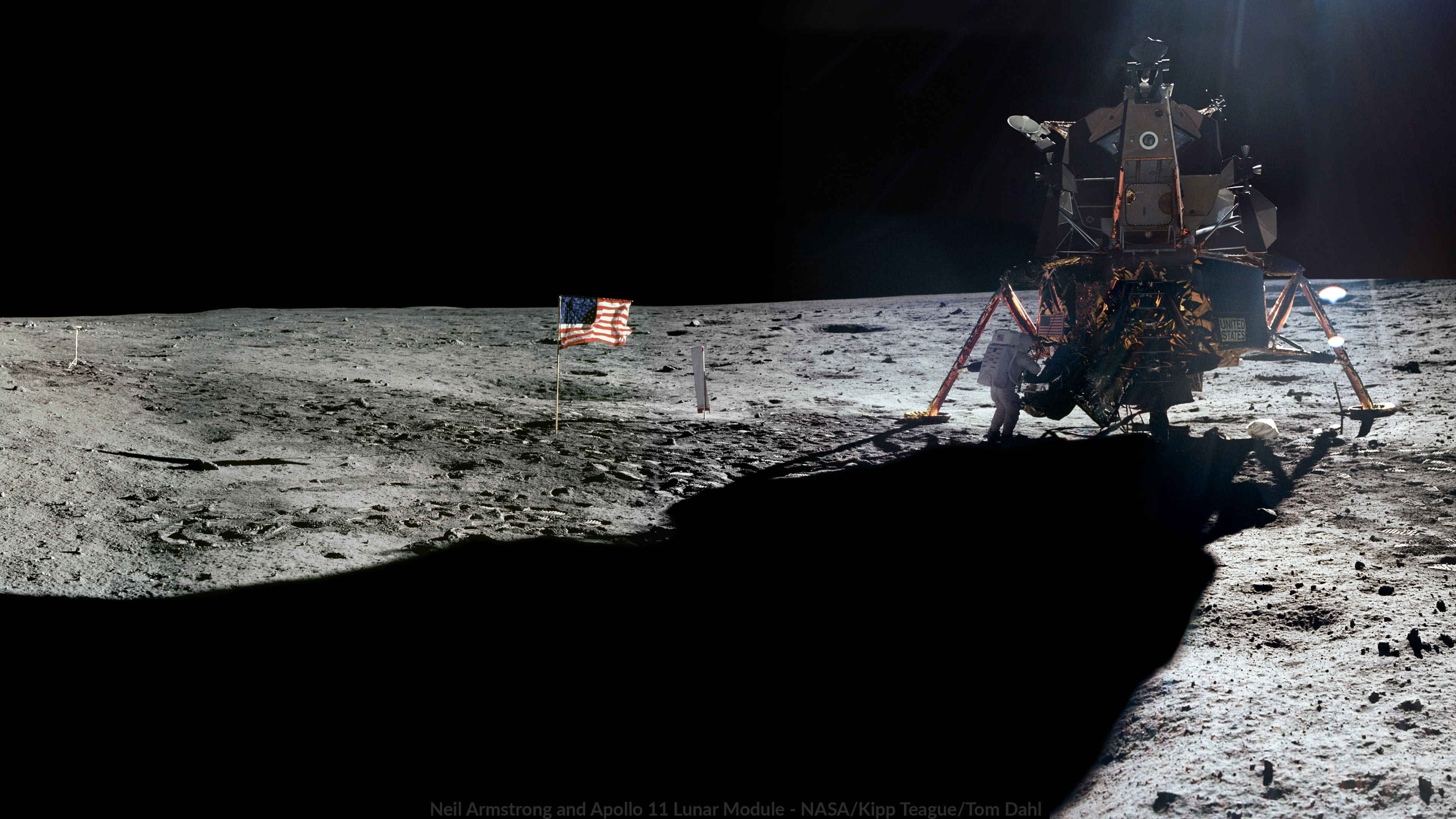
- The Lunar Module (Eagle): The two-stage vehicle designed specifically for the lunar descent and ascent.
What is most shocking to modern audiences is the primitive state of the technology by today's standards. The Apollo Guidance Computer had less processing power than a basic modern toaster or a simple digital watch. Yet, with only 64 kilobytes of memory, it navigated three men across 238,000 miles of vacuum. The bravery required to trust one's life to such hardware is a recurring theme in the history of space exploration.
The scientific experiments left on the moon were equally impressive. The crew deployed a Laser Ranging Retroreflector, which is still used today to measure the exact distance between the Earth and the Moon by bouncing lasers off its mirrors. This experiment proved that the moon is slowly drifting away from us at a rate of about 3.8 centimeters per year—a discovery that changed our understanding of the Earth-Moon system forever.
The Human Element: Armstrong, Aldrin, and the Silent Guardian
While the world focused on the two men walking on the lunar surface, Michael Collins orbited alone in the Command Module, Columbia. Every time he passed behind the dark side of the moon, he lost all radio contact with Earth. For 48 minutes of every orbit, he was truly isolated from every other human being in existence. Collins later wrote that he felt a sense of "awareness, anticipation, satisfaction, confidence, almost exultation," rather than loneliness. His role was critical; if Armstrong and Aldrin failed to lift off from the moon, Collins would have been forced to return to Earth alone.
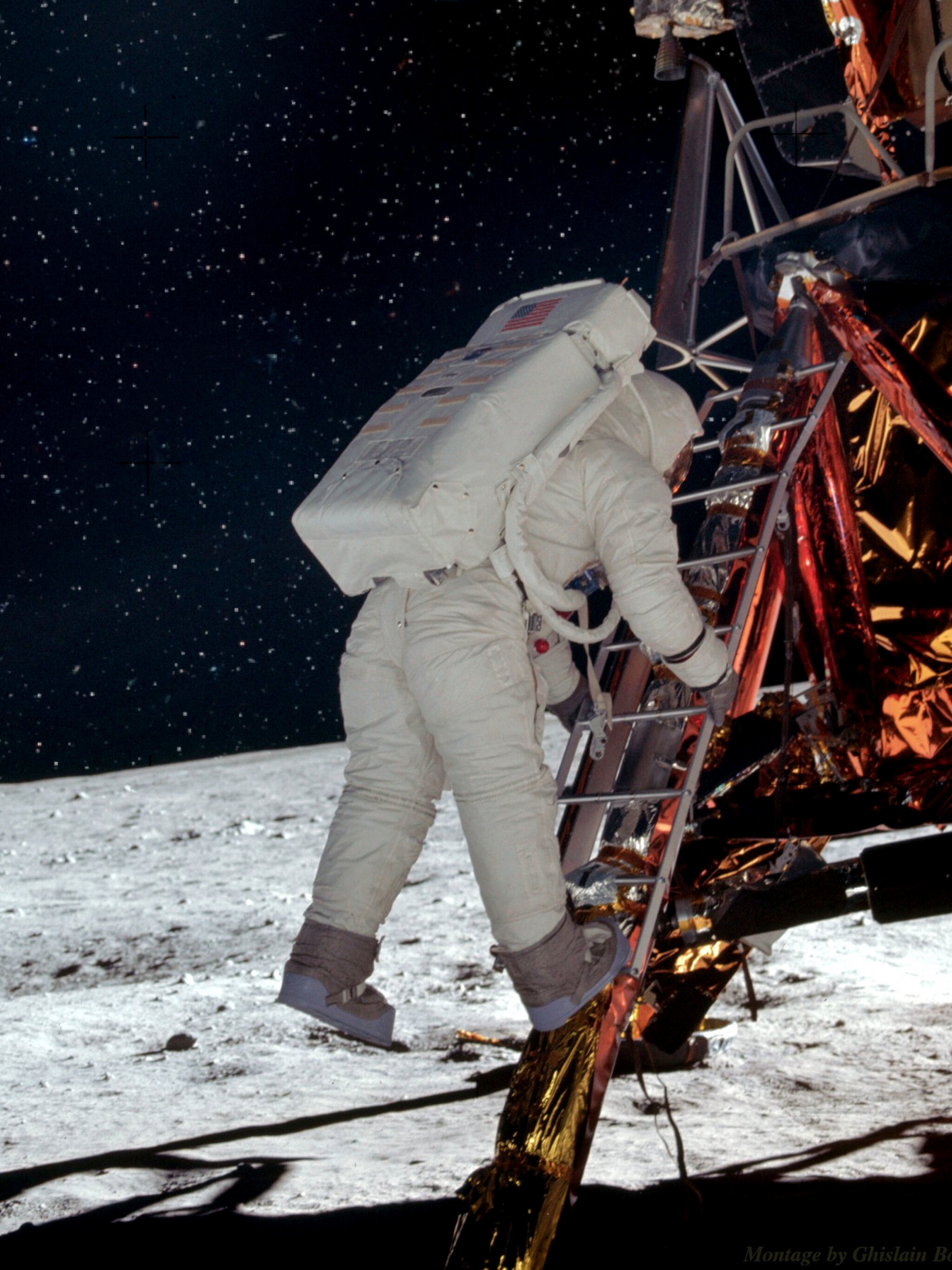
On the surface, Armstrong and Aldrin spent about two and a half hours outside the module. They collected 47.5 pounds of lunar samples—rocks and soil that would be studied for decades. They famously planted the American flag, which was held upright by a horizontal bar because there is no wind on the moon to make it flutter. They also left a plaque that read: "Here men from the planet Earth first set foot upon the Moon, July 1969 A.D. We came in peace for all mankind."
The Apollo 11 mission wasn't just about rocks and flags, though. It was about the "Overview Effect"—the cognitive shift experienced by astronauts when seeing the Earth as a tiny, fragile "blue marble" hanging in the vastness of space. This perspective birthed the modern environmental movement and a new sense of global unity that transcended the political tensions of the era.
From Apollo to Artemis: Why We Are Going Back
Decades after the last bootprints were left on the moon, Apollo 11 is trending again because of NASA's new Artemis program. Named after the twin sister of Apollo in Greek mythology, Artemis aims to return humans—including the first woman and the first person of color—to the lunar surface. But this time, we aren't just visiting; we are staying.
The lessons learned from 1969 are the foundation for these modern missions. While Apollo 11 was a sprint to prove it could be done, Artemis is a marathon focused on sustainability. NASA is planning to build the Lunar Gateway, a space station in lunar orbit, and a base camp at the lunar South Pole, where water ice has been discovered in permanently shadowed craters. This ice can be converted into oxygen for breathing and hydrogen for rocket fuel, making the moon a "stepping stone" for the eventual human mission to Mars.
The Space Race of the 1960s has evolved into a global effort involving private companies like SpaceX and Blue Origin. These commercial partners are developing the next generation of Lunar Landers, utilizing the same spirit of innovation that fueled the 1960s but with 21st-century technology. Every time a Starship prototype launches or a new rover touches down on Mars, it carries the DNA of Apollo 11.
The Enduring Legacy: Why Apollo 11 Still Matters
Why does a mission from over 50 years ago still capture our imagination? Perhaps it is because Apollo 11 represents the absolute peak of what humanity can achieve when we have a clear goal and the courage to pursue it. It proved that the "impossible" is merely a challenge waiting to be solved.
For the younger generation, Apollo 11 is more than a history lesson. It is a blueprint for the future. As we face global challenges on Earth, from climate change to resource scarcity, the ingenuity used to put a man on the moon reminds us that we have the capacity to solve complex problems through science, cooperation, and bold thinking. The Moon landing wasn't the end of a journey; it was the beginning of our life as a multi-planetary species.
- Inspiration: Countless scientists and engineers cite the moon landing as the reason they entered their fields.
- Technology: Everything from GPS to cordless tools and water purification systems has roots in Apollo-era research.
- Education: Apollo 11 remains a cornerstone of STEM education worldwide, proving that curiosity is our greatest asset.
As we look up at the moon tonight, we see more than just a satellite. We see a destination. We see the footprints of Armstrong and Aldrin, still preserved in the vacuum of space, waiting for the next generation of explorers to join them. Apollo 11 was the first giant leap, but it certainly won't be the last. The moon is no longer the finish line—it's the starting block for the stars.
Apollo 11
Apollo 11 Wallpapers
Collection of apollo 11 wallpapers for your desktop and mobile devices.
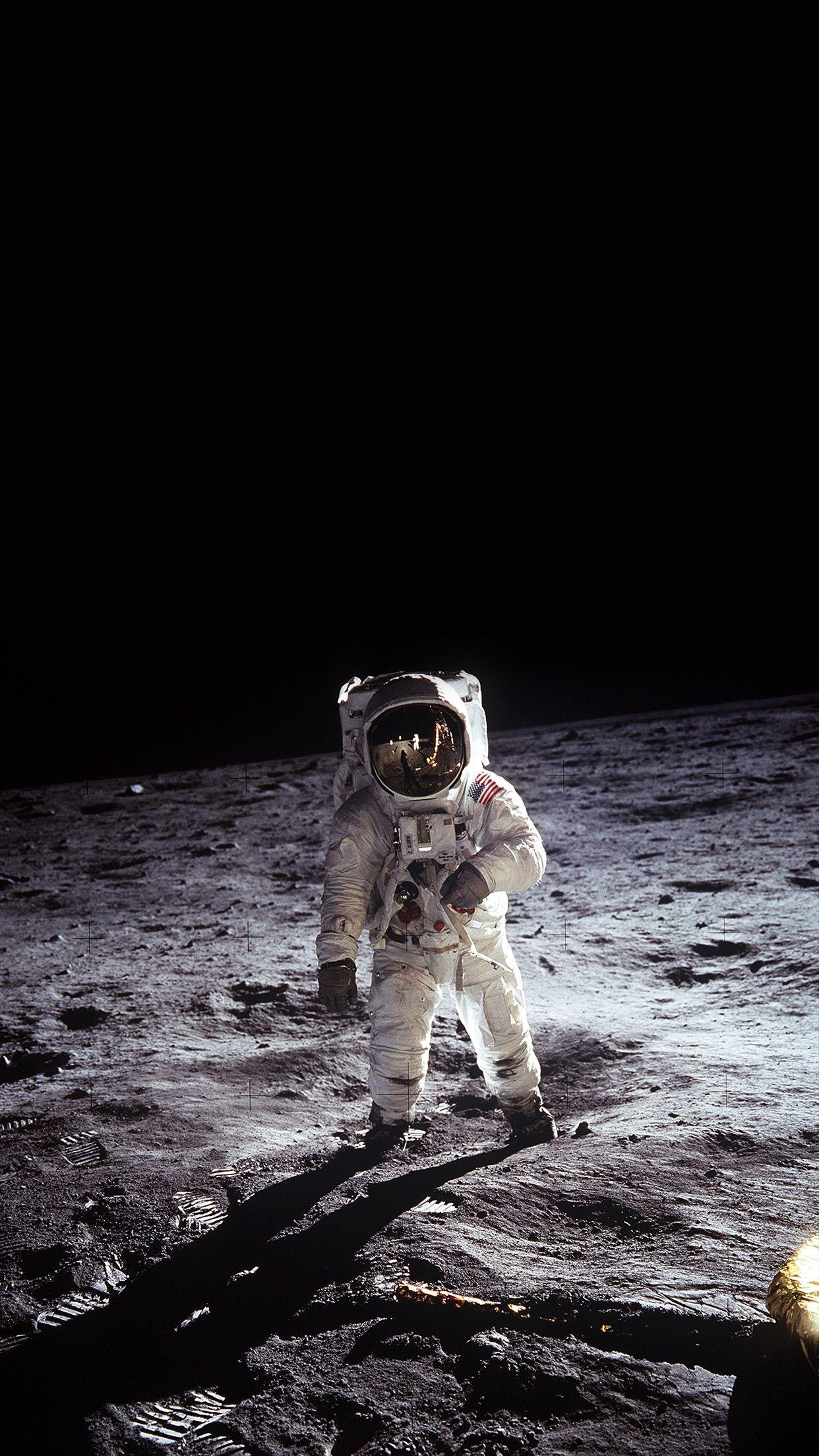
Lush Apollo 11 Moment in 4K
Immerse yourself in the stunning details of this beautiful apollo 11 wallpaper, designed for a captivating visual experience.
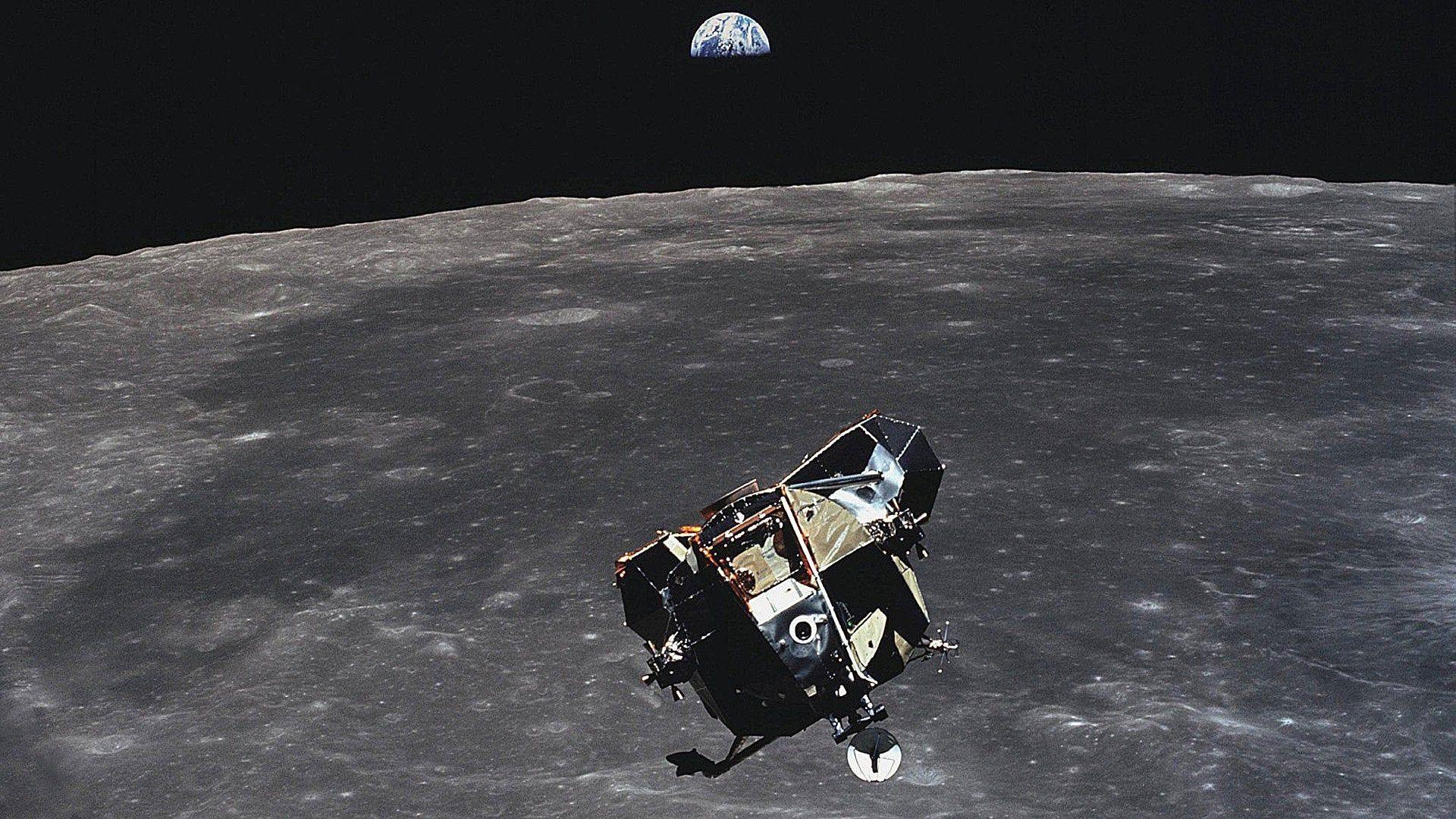
Detailed Apollo 11 Moment for Desktop
Transform your screen with this vivid apollo 11 artwork, a true masterpiece of digital design.
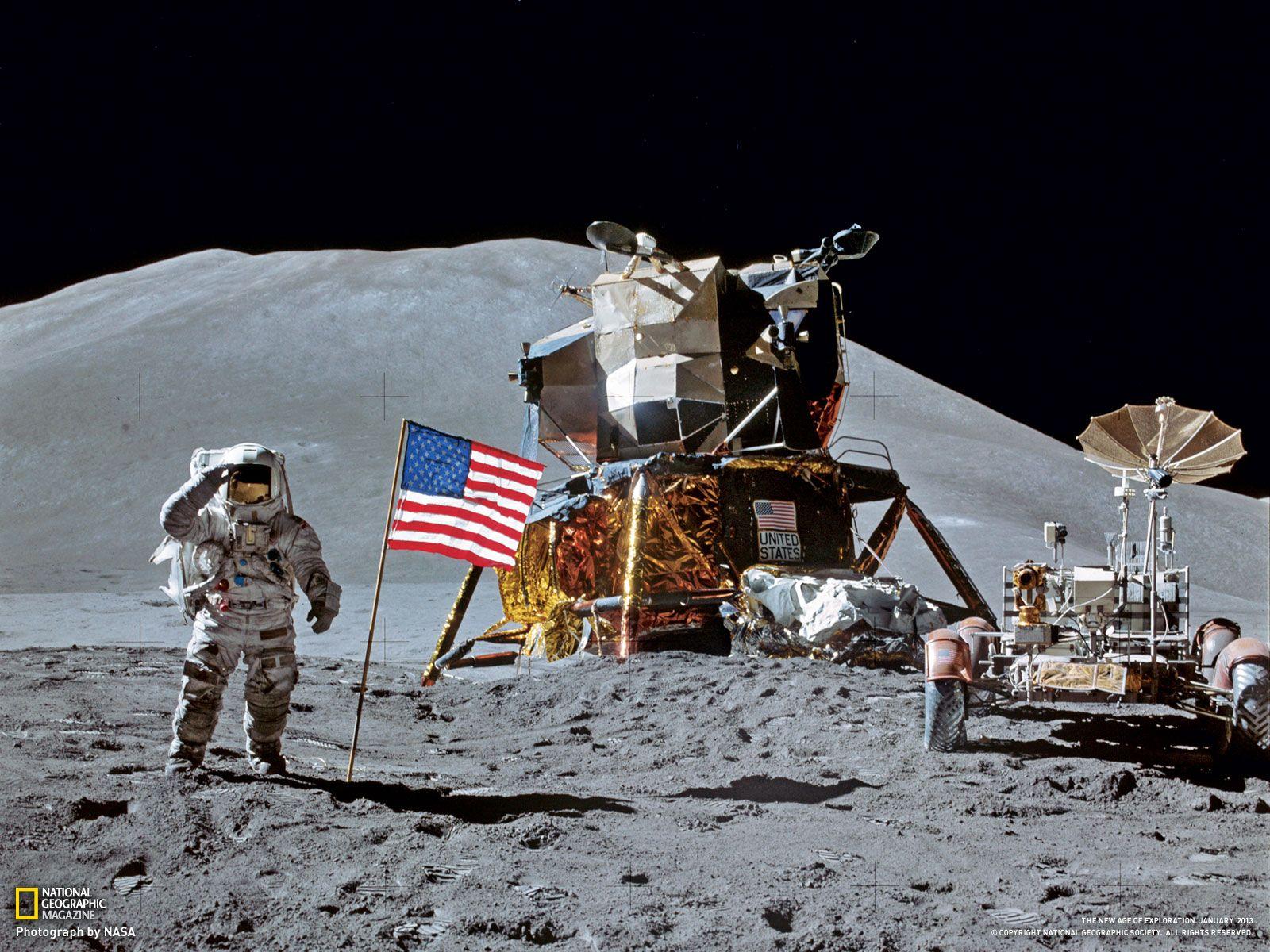
Lush Apollo 11 Image Concept
Find inspiration with this unique apollo 11 illustration, crafted to provide a fresh look for your background.
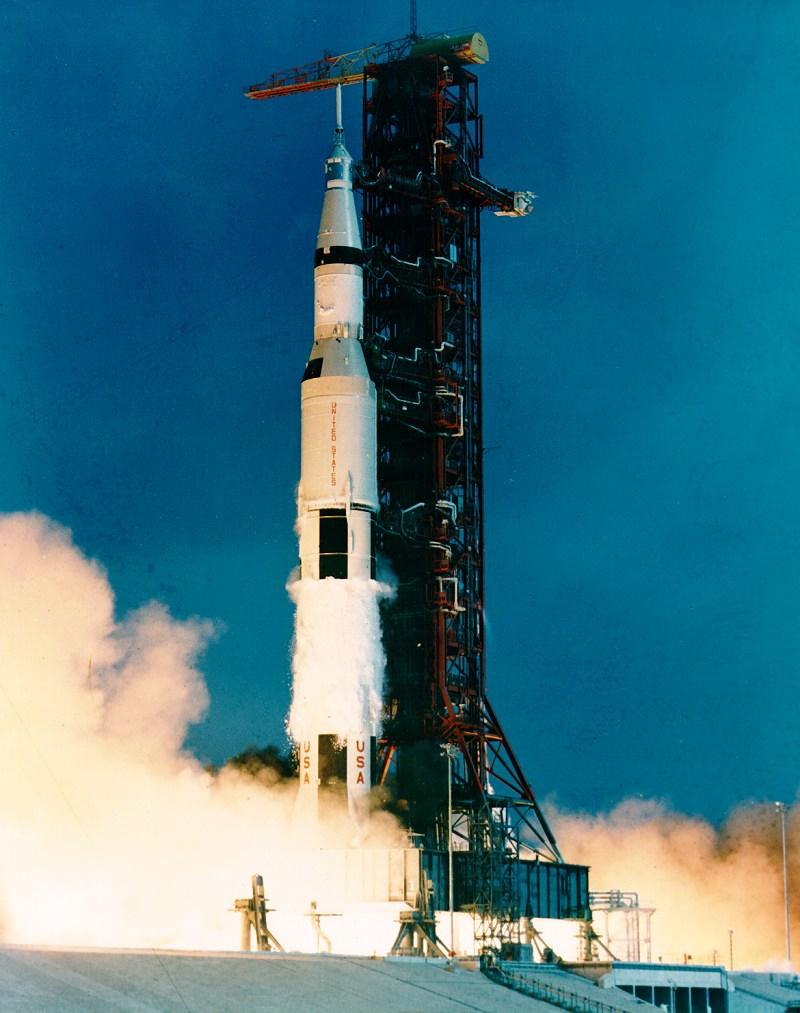
Stunning Apollo 11 Capture Illustration
Find inspiration with this unique apollo 11 illustration, crafted to provide a fresh look for your background.

Gorgeous Apollo 11 Picture Photography
A captivating apollo 11 scene that brings tranquility and beauty to any device.
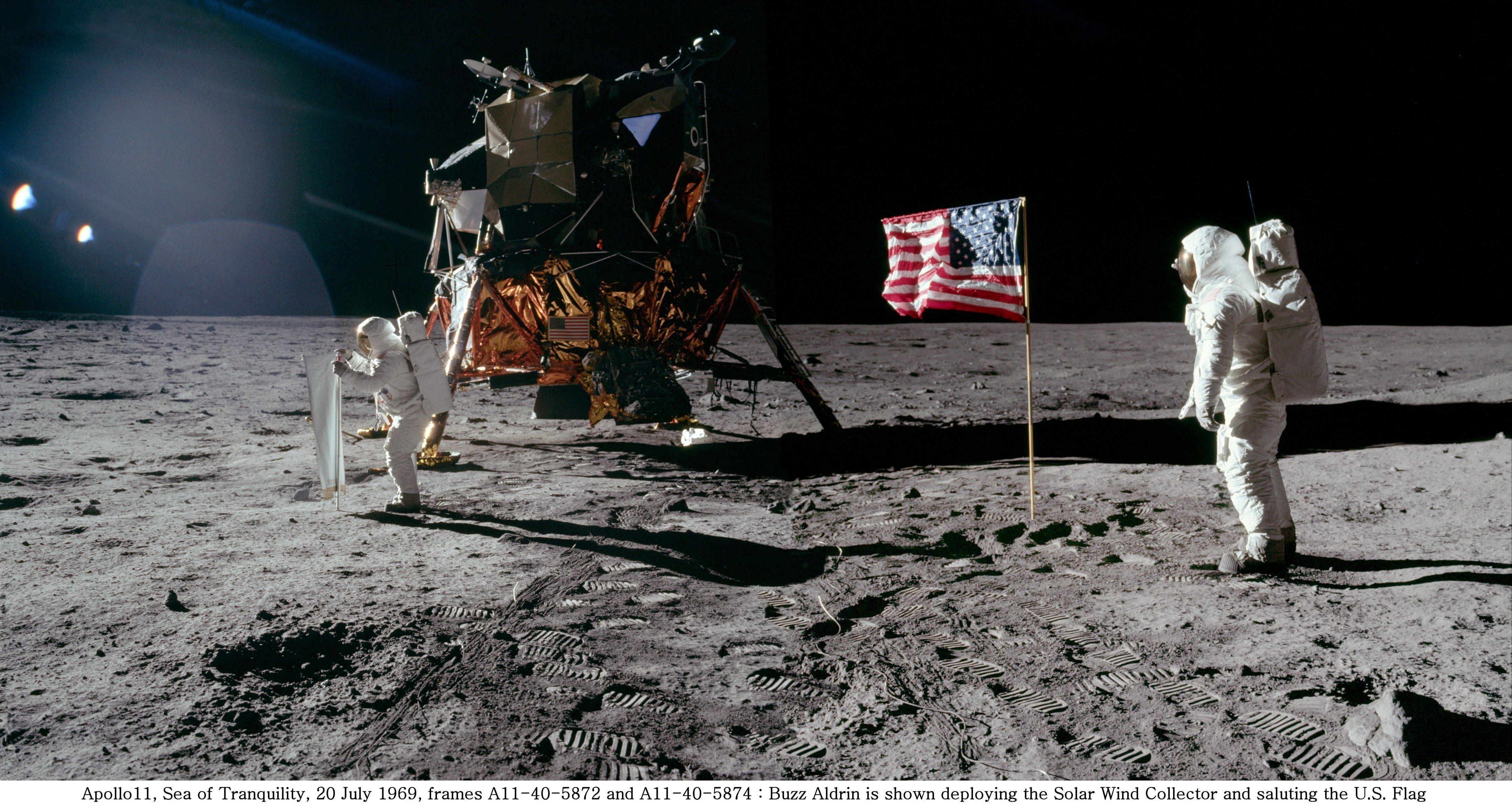
Exquisite Apollo 11 Background for Desktop
A captivating apollo 11 scene that brings tranquility and beauty to any device.
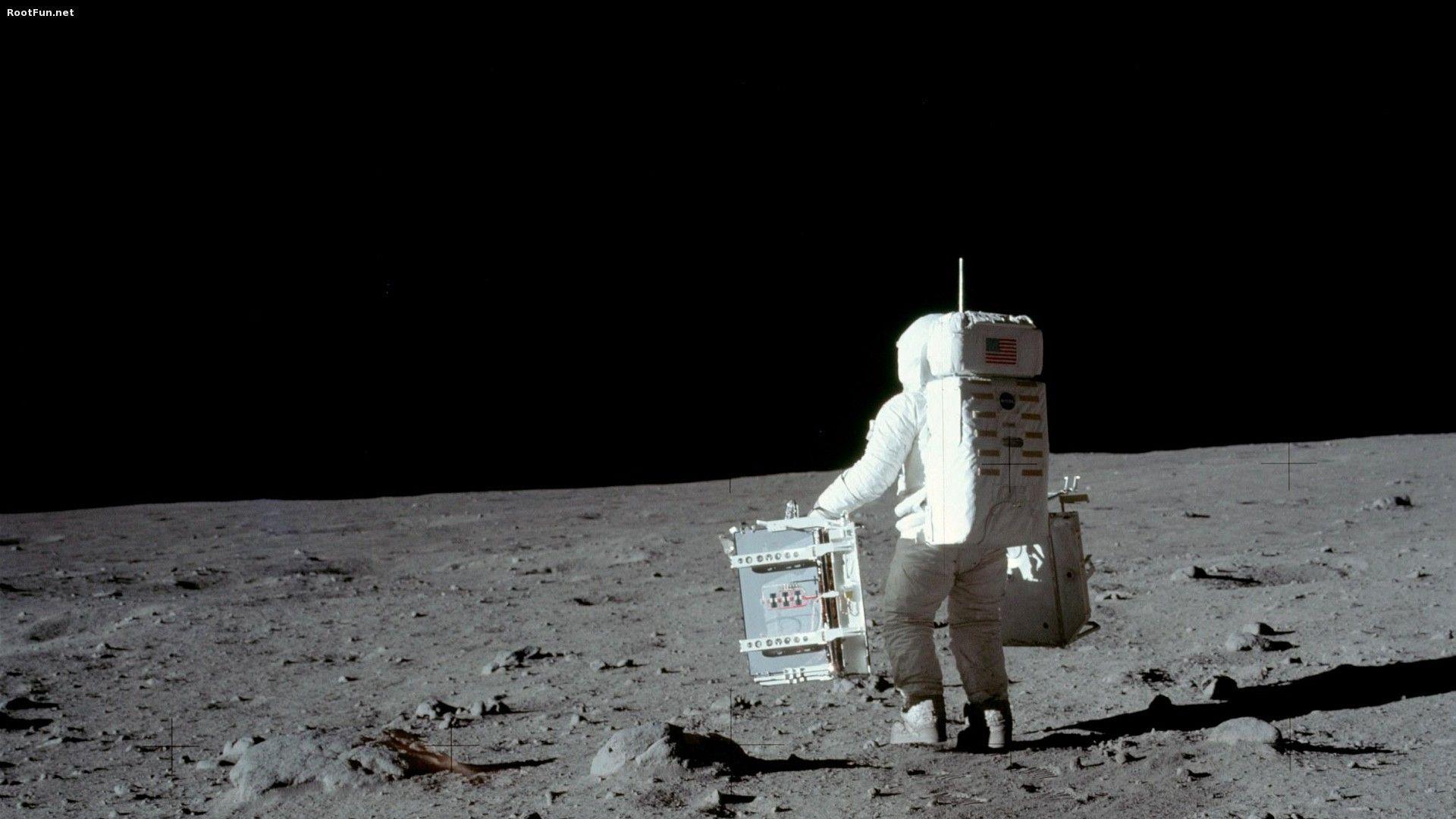
Artistic Apollo 11 Picture for Desktop
This gorgeous apollo 11 photo offers a breathtaking view, making it a perfect choice for your next wallpaper.
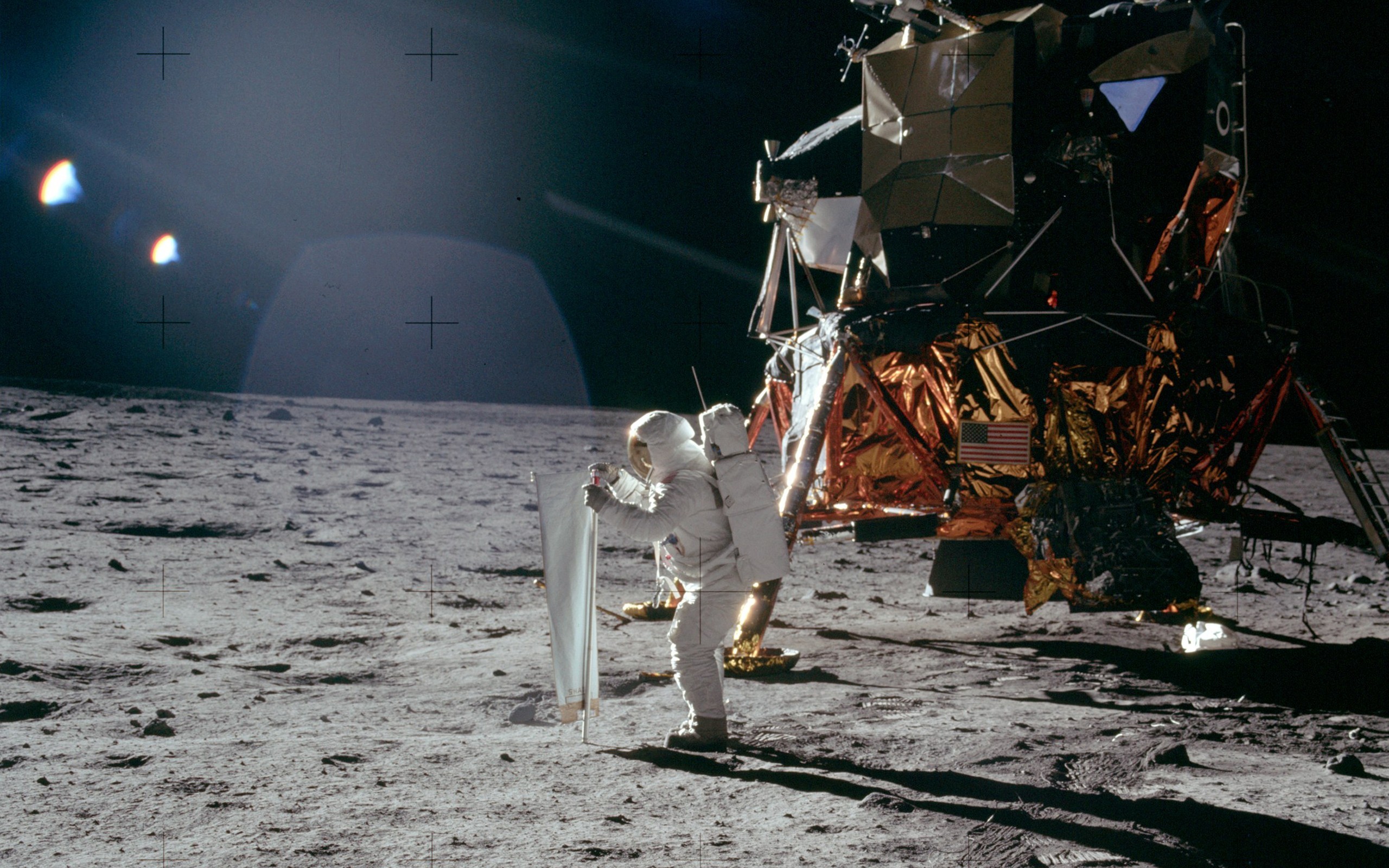
Serene Apollo 11 Scene in HD
Explore this high-quality apollo 11 image, perfect for enhancing your desktop or mobile wallpaper.
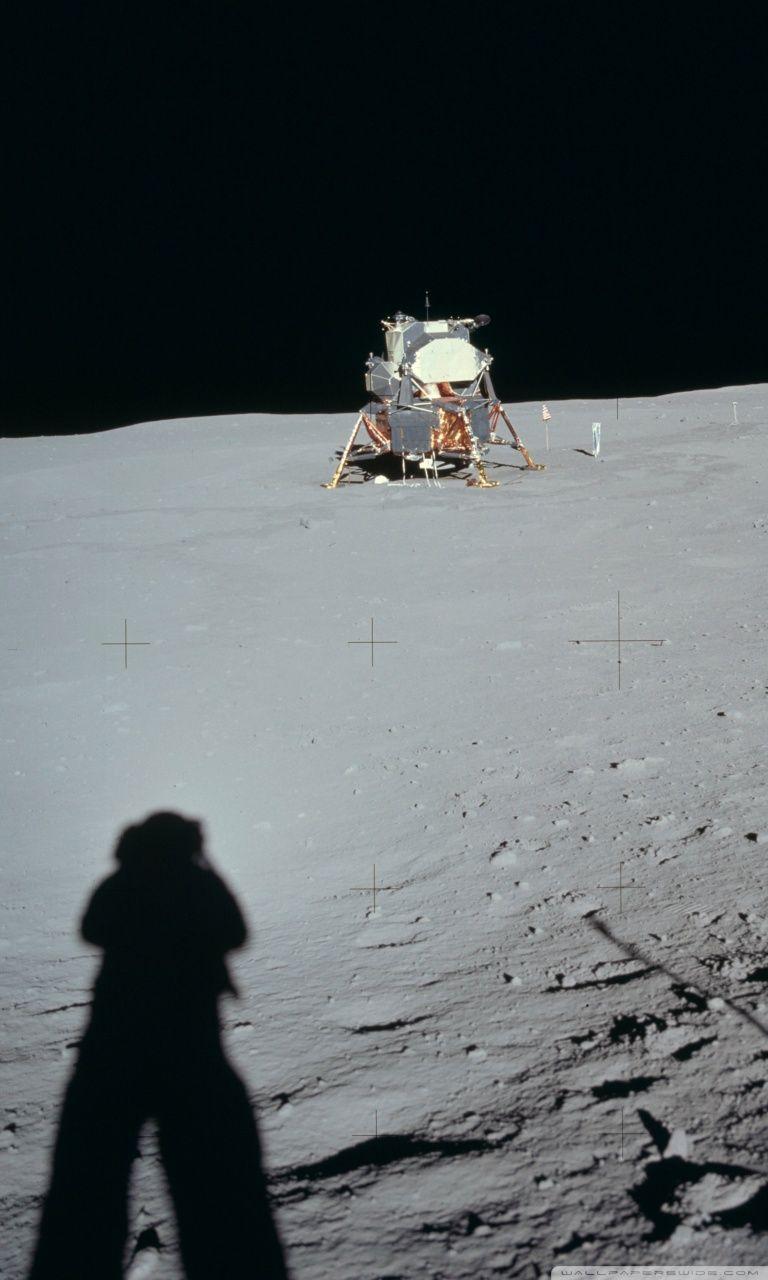
Artistic Apollo 11 Background Art
A captivating apollo 11 scene that brings tranquility and beauty to any device.
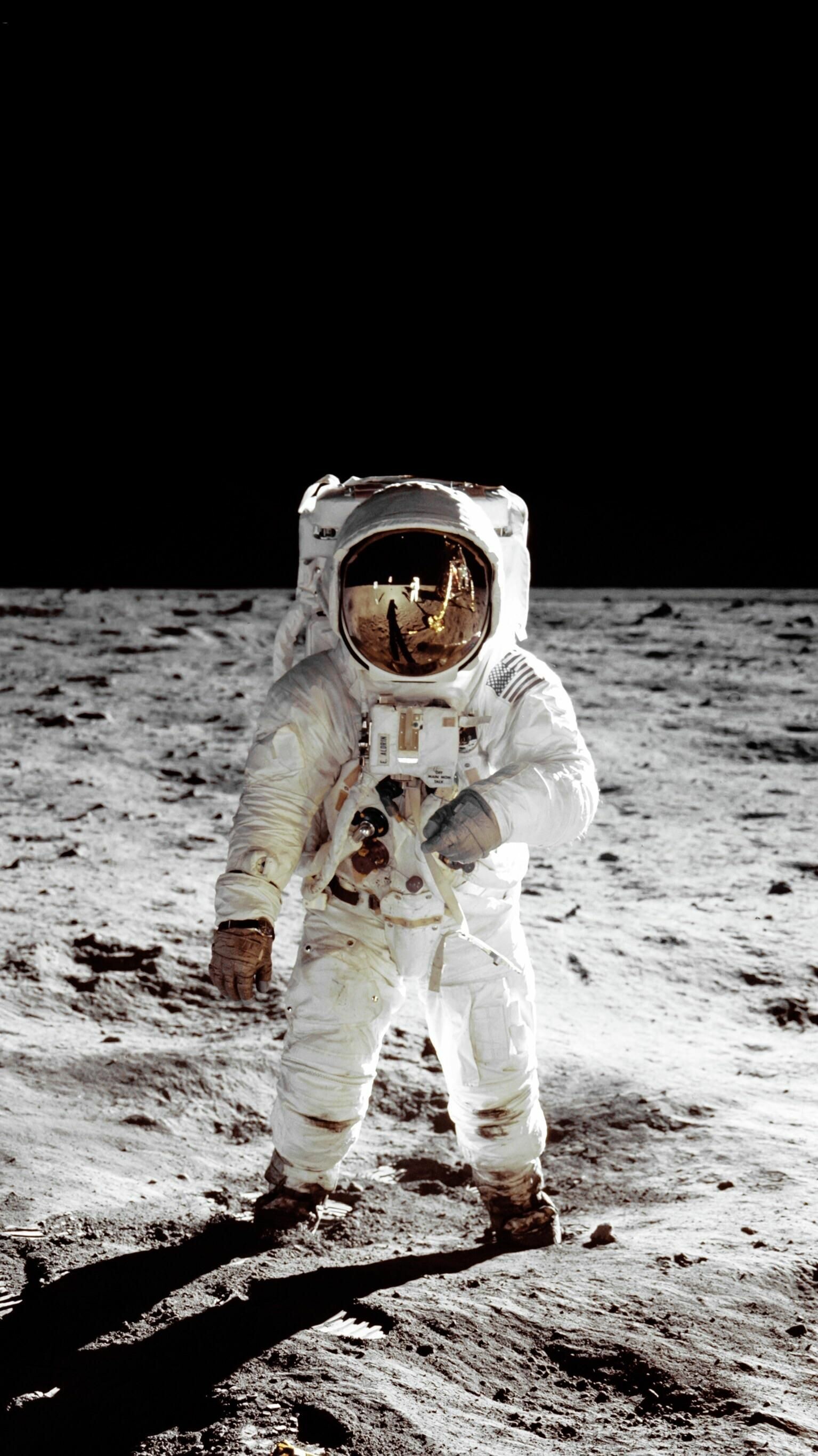
Lush Apollo 11 View in 4K
Find inspiration with this unique apollo 11 illustration, crafted to provide a fresh look for your background.
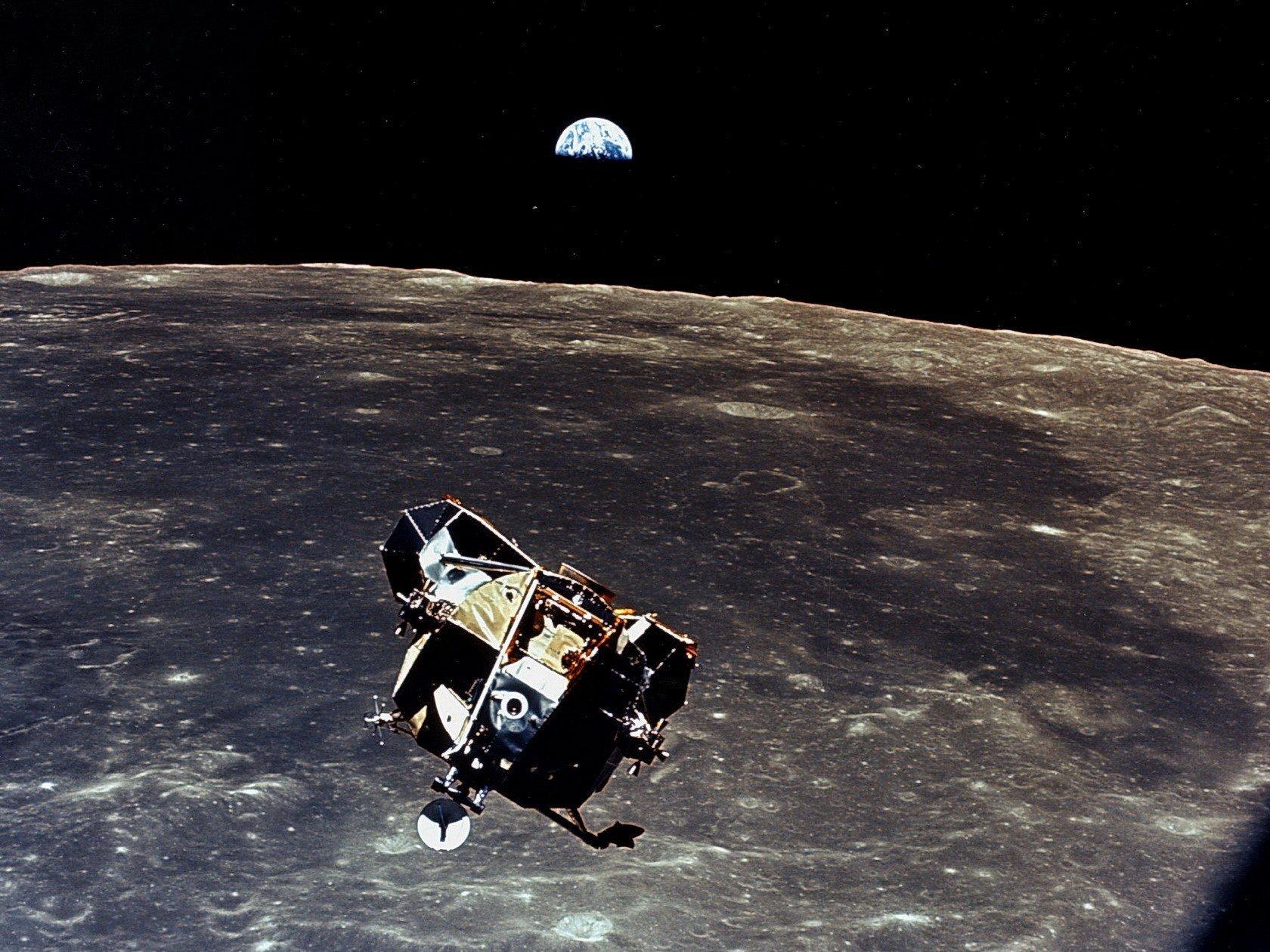
Beautiful Apollo 11 Moment for Desktop
Explore this high-quality apollo 11 image, perfect for enhancing your desktop or mobile wallpaper.
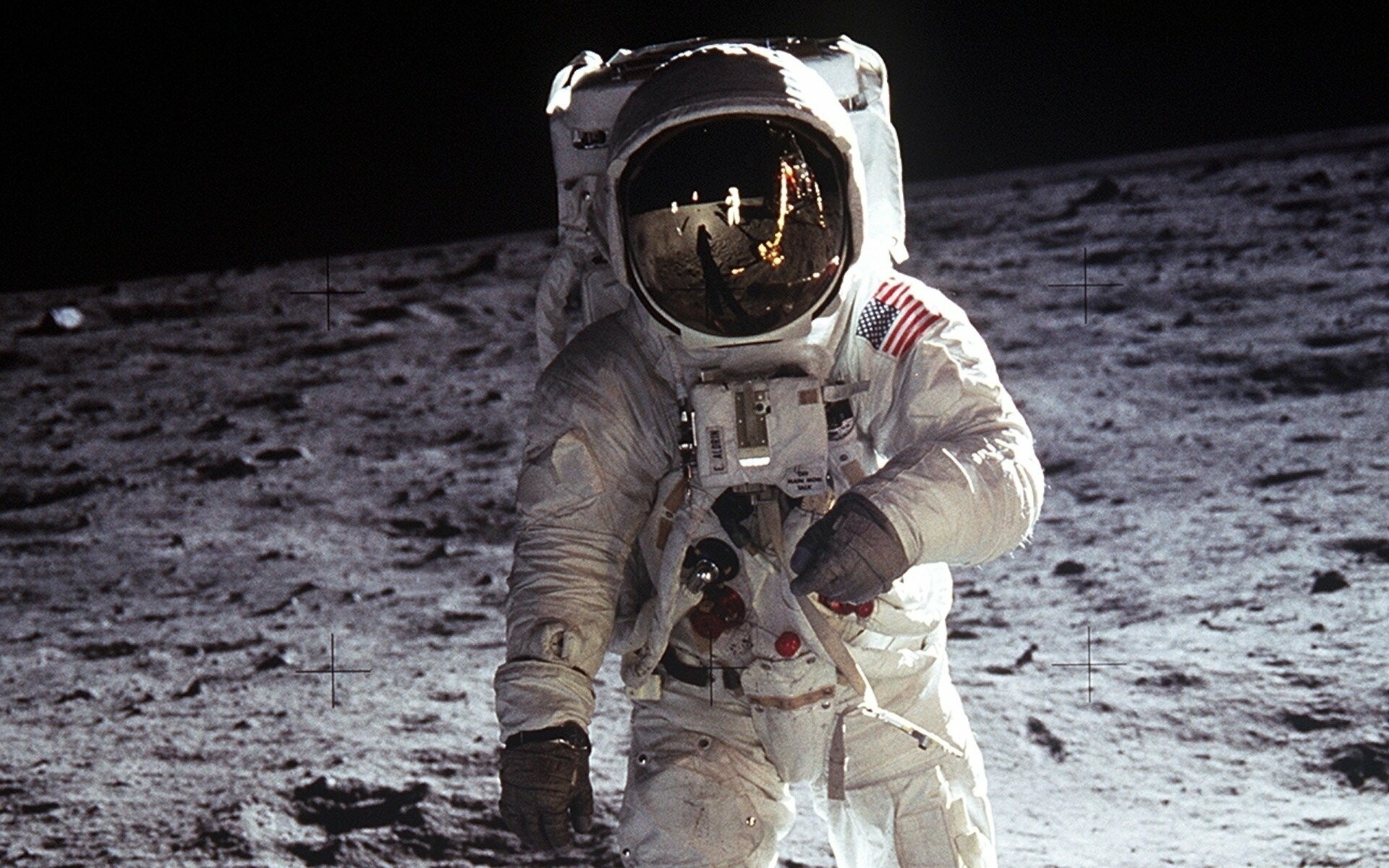
Gorgeous Apollo 11 Scene Collection
Immerse yourself in the stunning details of this beautiful apollo 11 wallpaper, designed for a captivating visual experience.
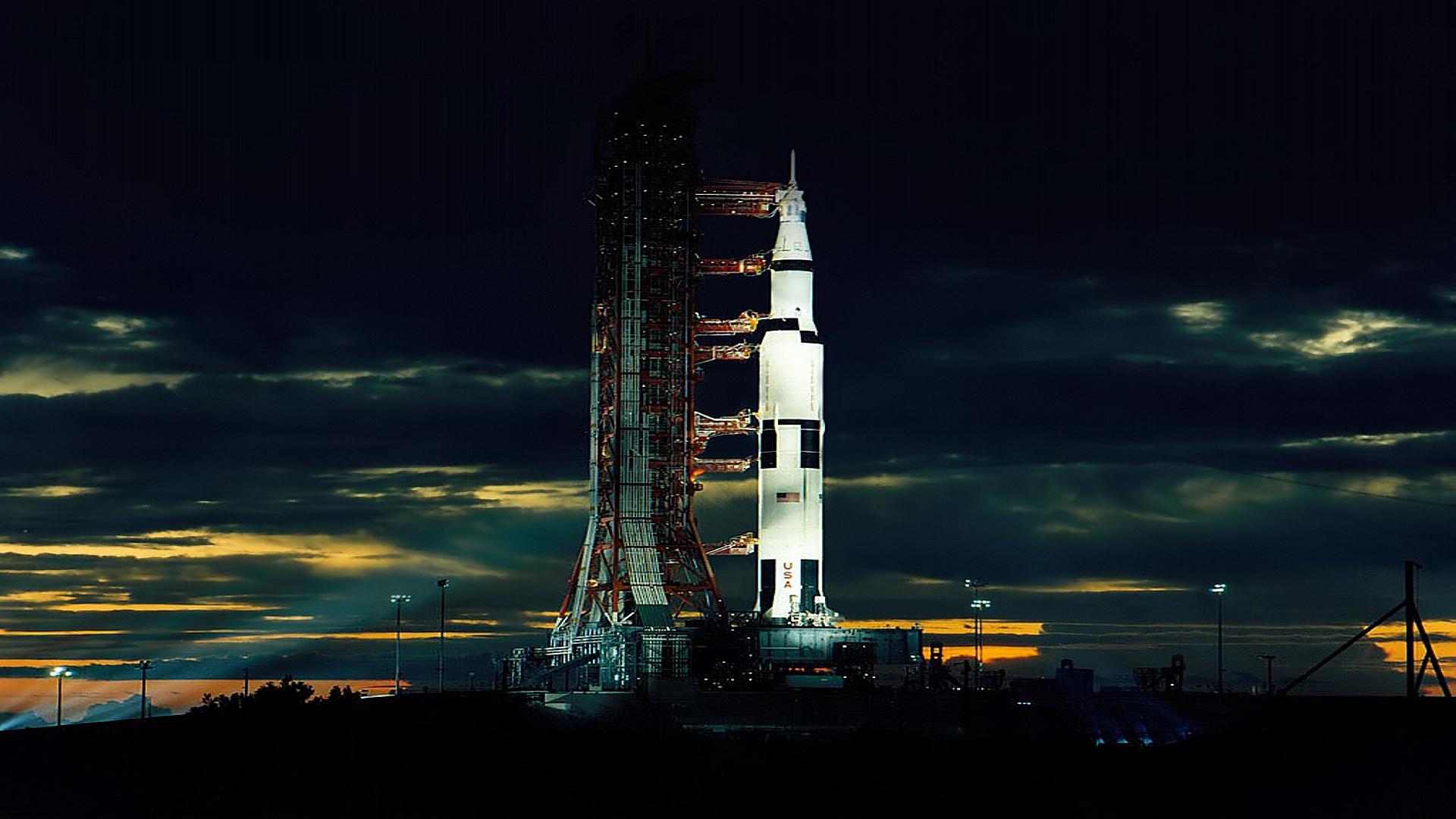
Spectacular Apollo 11 Capture Digital Art
Immerse yourself in the stunning details of this beautiful apollo 11 wallpaper, designed for a captivating visual experience.
Vivid Apollo 11 Artwork Collection
Discover an amazing apollo 11 background image, ideal for personalizing your devices with vibrant colors and intricate designs.
Crisp Apollo 11 Wallpaper in 4K
This gorgeous apollo 11 photo offers a breathtaking view, making it a perfect choice for your next wallpaper.
Serene Apollo 11 Moment Collection
Transform your screen with this vivid apollo 11 artwork, a true masterpiece of digital design.
Serene Apollo 11 Moment for Desktop
Transform your screen with this vivid apollo 11 artwork, a true masterpiece of digital design.
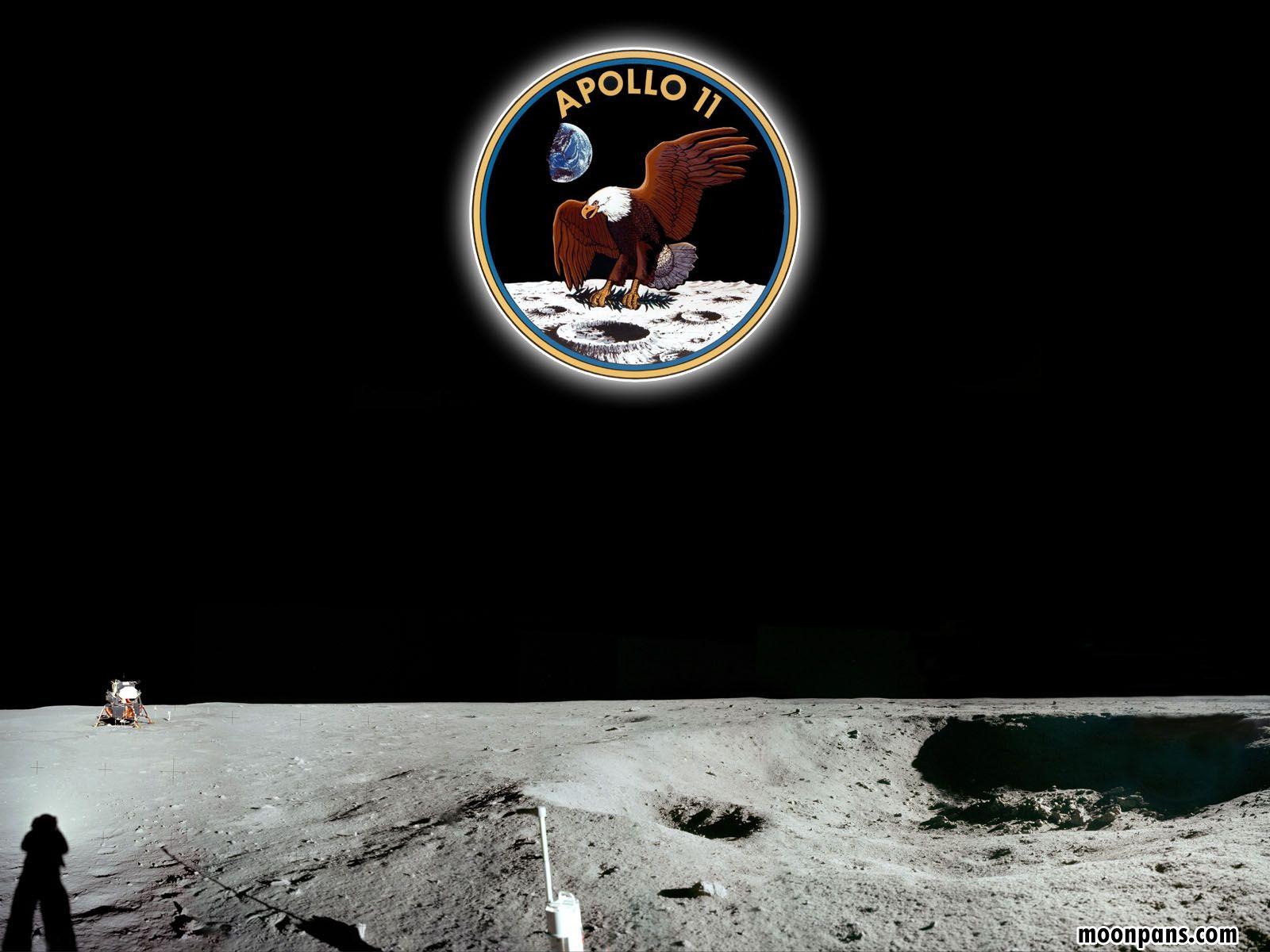
Beautiful Apollo 11 Image for Desktop
Explore this high-quality apollo 11 image, perfect for enhancing your desktop or mobile wallpaper.
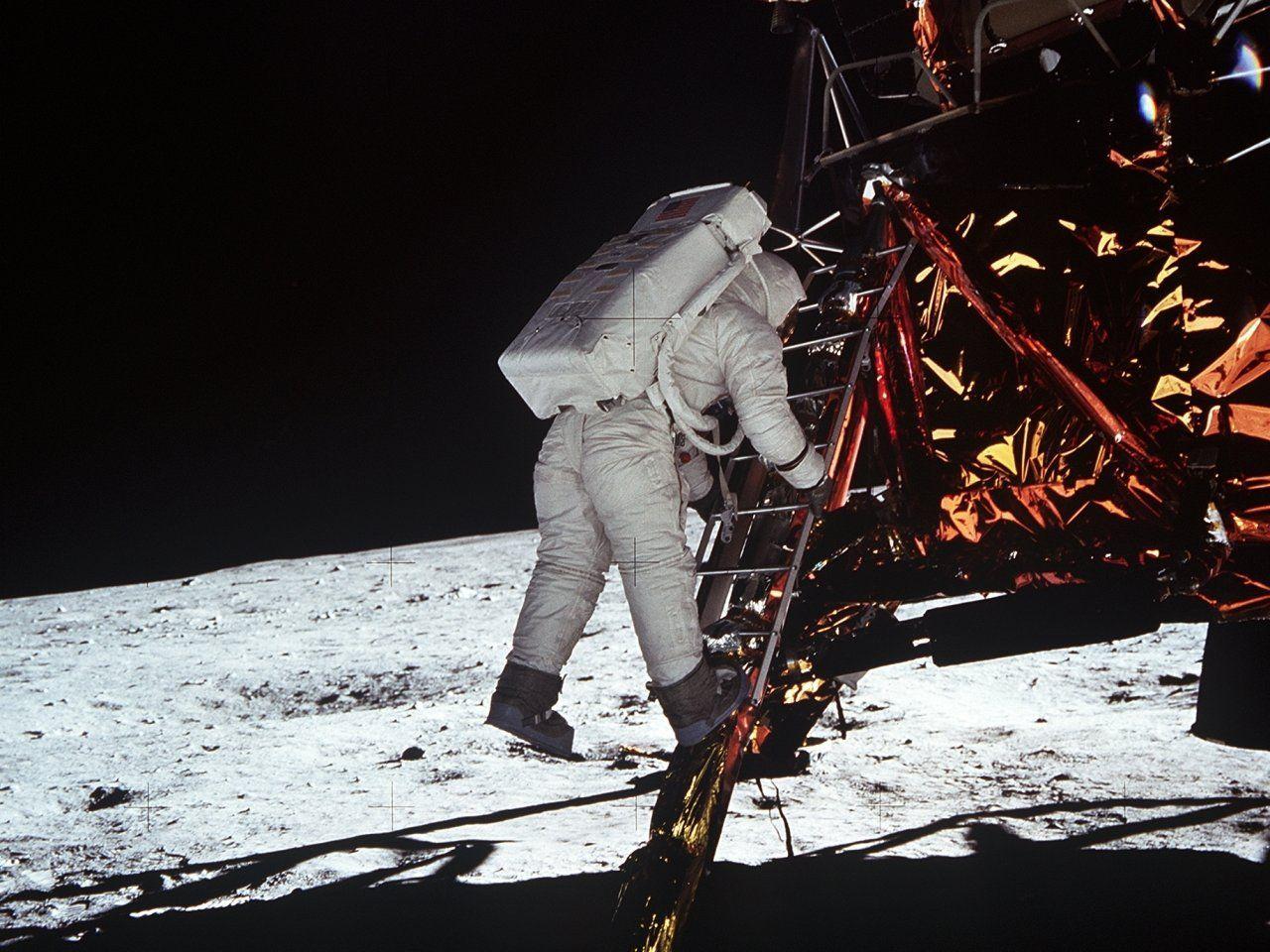
Serene Apollo 11 Wallpaper Concept
Discover an amazing apollo 11 background image, ideal for personalizing your devices with vibrant colors and intricate designs.
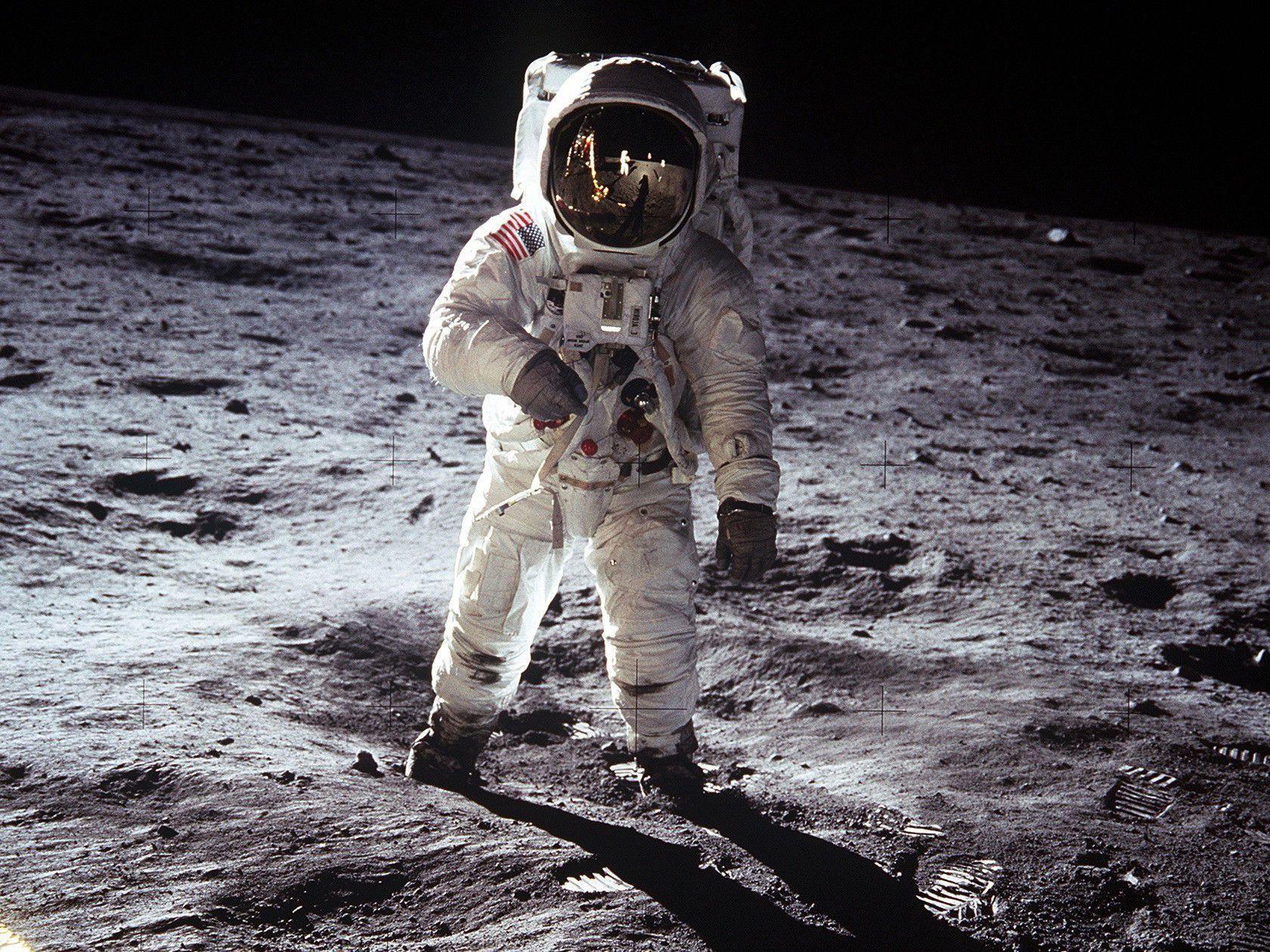
Detailed Apollo 11 Abstract in 4K
Transform your screen with this vivid apollo 11 artwork, a true masterpiece of digital design.
Download these apollo 11 wallpapers for free and use them on your desktop or mobile devices.
0 Response to "Apollo 11"
Post a Comment