F1 teams predict new car designs will cause 'chaos' in Melbourne
F1 teams predict new car designs will cause 'chaos' in Melbourne
The high-speed drama of Formula 1 returns to Albert Park, but the atmosphere in the paddock is thick with more than just the smell of high-octane fuel and burning rubber. As the 2026 season kicks off, a perfect storm of technical complexity and radical design changes has the entire grid on edge. F1 teams are openly predicting that the combination of new power unit architectures and active aerodynamics will lead to unprecedented chaos during the Australian Grand Prix, transforming the season opener into a high-stakes survival of the fittest.
F1 teams and drivers are predicting chaos in Melbourne due to the 2026 technical regulations, which introduce a heavy reliance on electrical power, active aerodynamics, and the removal of the MGU-H. Key concerns include severe turbo lag at race starts, unpredictable handling in new low-drag straight-line modes, and extreme reliability issues. Drivers like Oscar Piastri have highlighted the risk of massive collisions on the starting grid, while teams like Aston Martin are battling severe car vibrations that pose a physical risk to their pilots.
The Death of the MGU-H and the Return of Turbo Lag
For over a decade, Formula 1 drivers have enjoyed the seamless power delivery provided by the MGU-H (Motor Generator Unit – Heat). This device utilized exhaust gases to keep the turbocharger spinning even when the driver was off the throttle, effectively eliminating turbo lag. However, the 2026 regulations have stripped this technology away in a bid to simplify the power units and attract new manufacturers. The result is a return to a more primitive and challenging form of engine management that has caught many teams off guard.
Without the MGU-H, drivers now face meaningful turbo lag for the first time in the hybrid era. To get a clean launch off the grid in Melbourne, drivers must build boost pressure by holding high engine revs while stationary. This creates a tiny, treacherous window of operation. If a driver lifts the clutch too early or fails to time the boost correctly, the car can easily bog down or even enter an anti-stall mode. In the high-pressure environment of the Albert Park start, a single car stalling or moving slowly creates a massive hazard for the 21 cars charging from behind at full speed.
McLaren team principal Andrea Stella has expressed grave concerns about this procedure, noting that the grid is the last place anyone wants to see slow-moving vehicles. The difficulty of syncing the fading boost with the light sequence is expected to be one of the primary drivers of the predicted chaos. Teams that have opted for larger turbochargers may find themselves at a significant disadvantage compared to those, like Ferrari, who are rumored to have designed their systems around smaller, more responsive units to mitigate these start-line risks.
Active Aerodynamics: Straight-Line Mode or Recipe for Disaster?
Perhaps the most radical change for the 2026 season is the introduction of active aerodynamics, specifically a new "straight-line mode." This system allows the cars to significantly reduce downforce on long straights to increase top speed and energy efficiency. While the concept sounds like a logical evolution of the Drag Reduction System (DRS), the practical application has sparked a wave of skepticism among the driver corps.
Oscar Piastri has been one of the most vocal critics, describing a pack of 22 cars with hundreds of points of downforce suddenly removed as a "recipe for disaster." The transition between high-downforce cornering modes and low-drag straight-line modes must be perfectly seamless. Any glitch in the software or mechanical failure could leave a driver with insufficient grip at the exact moment they need to brake for a tight corner like Melbourne's Turn One.
The fear is that the field will be moving at much higher speeds into braking zones with significantly less aerodynamic stability. This unpredictability, combined with the "playful" handling characteristics described by Liam Lawson, means that the cars are more prone to snapping out of control. As teams scramble to master the energy deployment needed to feed these active systems, the opening laps in Melbourne are expected to be a masterclass in tension as drivers navigate the unknown limits of their new machinery.
Safety Fears: Oscar Piastri and the Melbourne Start Grid Melee
The Australian Grand Prix is notorious for its tight first corner and high-speed opening lap, but the 2026 car designs have added a layer of danger that has the Grand Prix Drivers' Association (GPDA) worried. Oscar Piastri, racing on home soil, has raised the alarm regarding the potential for a "start-line melee." The primary concern is the speed differential between cars that successfully manage their turbo boost and those that succumb to lag or anti-stall issues.
In previous years, the MGU-K would provide an immediate electrical kick to help cars get off the line. While the 2026 cars still have powerful electrical motors, they do not chime in effectively until the car reaches roughly 50km/h. This creates a "dead zone" in the first few meters of the race where the car is purely dependent on the internal combustion engine's ability to overcome turbo lag. If the weather in Melbourne turns "biblical" as it has in the past, the visibility issues combined with slow-starting cars could lead to a massive pile-up.
Furthermore, there is speculation that some drivers might attempt to force their cars into low-downforce modes early to gain a slipstream advantage. This tactical gamble increases the risk of cars losing rear-end stability while surrounded by the rest of the pack. Drivers are worried that they will be moving very quickly toward the rear of cars moving very slowly, potentially wreathed in tire smoke, making a huge collision almost inevitable if someone gets the start procedure wrong.
| Technical Challenge | Impact on Melbourne GP |
|---|---|
| Turbo Lag (No MGU-H) | High risk of stalling or slow starts on the grid. |
| Active Aero Modes | Unpredictable handling and reduced stability in braking zones. |
| Electrical Dependency | Energy-starved cars struggling with consistent deployment. |
| Car Vibrations | Physical risk and nerve damage concerns for drivers. |
The Aston Martin Crisis: Vibrations and Physical Risk
While most teams are worried about the race start, Aston Martin is facing a more fundamental and frightening problem. Despite the high-profile hiring of legendary designer Adrian Newey and a new partnership with Honda, the AMR26 has emerged as a "disaster team" during the early stages of the season. Reports from the paddock suggest that the car suffers from such severe vibrations that it poses a legitimate health risk to Fernando Alonso and Lance Stroll.
Newey himself has admitted that the vibrations are so intense that permanent nerve damage for the drivers is a possibility if the issue isn't resolved. This physical discomfort makes it nearly impossible for the drivers to attack the corners or maintain the concentration required for a full race distance at Albert Park. Lance Stroll has reportedly placed the team four to five seconds off the pace of the leaders, a shocking gap for a team with such high ambitions.
The vibrations appear to be a byproduct of the new aerodynamic regulations interacting with the stiff suspension setups required for the 2026 chassis. While former driver Pastor Maldonado believes the team will eventually solve these issues, the timeline is tight. Aston Martin has entered the Melbourne weekend effectively admitting they might not finish the race with either car, focusing instead on data gathering and driver safety. This adds another element of chaos to the grid, as one of the supposed "top" teams is now a moving chicane.
Energy Management: The Surgical Precision Required at Albert Park
The 2026 regulations have shifted the power balance significantly toward electrical energy. In effect, these cars are "energy-starved," meaning they cannot run at full deployment for an entire lap. Drivers must now be "surgical" about where they use their electrical boost and where they harvest. Albert Park, with its mix of high-speed sweeps and heavy braking zones, is the ultimate test for this new form of energy management.
Those who master the energy deployment early in the weekend will have a massive advantage. However, the complexity of the systems means that many teams are still struggling to understand their own software. In Bahrain testing, Red Bull showed flashes of incredible speed trap numbers before "vanishing" from the timing screens, suggesting they were experimenting with different harvesting strategies that left them vulnerable at other parts of the track.
Poor energy management will be brutally exposed in Melbourne. A driver who runs out of electrical energy at the end of the long straights will be a "sitting duck" for those behind. This will lead to strange "concertina effects" where cars appear much faster or slower depending on their state of charge. Understanding the "smoke and mirrors" of rival teams' energy strategies will be a full-time job for race engineers, contributing to the overall sense of unpredictability and chaos during the race.
The Secret Rain Hazard Rule and Strategy Shifts
Just as the teams were coming to terms with the technical changes, the FIA quietly introduced a regulation that could turn the Australian Grand Prix upside down: Article B1.5.11, or the "Rain Hazard" rule. For decades, the parc fermé rules have been sacrosanct—once qualifying ends, the car setup is locked. The new rule, however, allows teams to change their car setup, including ride height, if rain is forecast for the race.
Given Melbourne's history of sudden downpours and the current floods hitting parts of the region, the timing of this rule is critical. A team that gambles on a wet setup and gets it right could leapfrog the entire field. Conversely, a team that changes their ride height only for the track to stay dry could find themselves completely out of the competitive window. This adds a tactical "wildcard" that creates even more room for error and strategic chaos.
Ride height is everything in the 2026 era of ground-effect and active aero. Changing it under the Rain Hazard rule isn't just a minor adjustment; it fundamentally changes how the active aero elements interact with the track surface. The potential for teams to make massive gains—or disastrous mistakes—in the hours leading up to the race start has the strategists in a state of high anxiety.
Technical Disparities: Ferrari's Turbo Advantage vs. Honda's Struggles
As the smoke clears from pre-season testing, a clear pecking order is beginning to emerge, but it is defined by radical technical disparities. Ferrari appears to be the early winner in the power unit department. By designing a smaller, more compact turbocharger, the Scuderia has significantly reduced the impact of turbo lag. In Bahrain, the red cars were "like a rocket" off the line, prompting them to block any proposed changes to the start procedure that might erode their advantage.
On the other end of the spectrum, Honda—powering both Aston Martin and the Racing Bulls—is reliving its "McLaren 2017 nightmare." The Japanese manufacturer's power unit is reportedly struggling with energy deployment inconsistencies and reliability. Liam Lawson has noted that while the Racing Bulls are "playful," the lack of aero and reliability concerns make the cars less than fun to drive. If the Honda-powered cars are unable to deploy energy reliably, they will be defenseless on the straights of Albert Park.
These disparities mean that the racing in Melbourne will not just be about driver skill, but about which engineering philosophy was correct. If Ferrari's small turbo is the way to go, we could see a lopsided start to the season. However, if Mercedes' rumored "engine loophole" regarding compression ratios proves valid, the Silver Arrows might have a hidden reserve of power that could shock the field. This technical uncertainty is a primary ingredient in the predicted Melbourne chaos.
Reliability Woes: Why FP1 Was Only the Beginning of the Nightmare
The first practice session (FP1) in Melbourne has already provided a glimpse of the technical fragility of the 2026 cars. Issues plagued several cars immediately, with both Max Verstappen and Lewis Hamilton requiring new parts almost as soon as they hit the track. The limited testing time—only three days in Bahrain—has left teams with a "learning process" that Maldonado expects to last for the first five races of the season.
Reliability is the biggest "unknown" heading into Sunday's race. The complex hybrid architecture and active aero systems are under immense strain. The vibrations seen at Aston Martin are just one example of the unforeseen physical consequences of the new rules. If multiple cars suffer technical failures during the race, the chance of safety cars and red flags increases exponentially.
The "smoke and mirrors" of pre-season testing are finally being stripped away, revealing a grid that is unprepared for the intensity of a full race weekend. With Mercedes-powered teams facing a "fuel approval race" and Cadillac struggling on their debut, the reliability of the power units will likely be the deciding factor in who survives the Melbourne mayhem. As one veteran mechanic put it, "It's not about being the fastest this weekend; it's about being the one still moving when the checkered flag drops."
Frequently Asked Questions (FAQ)
Q: Why are F1 teams predicting chaos in Melbourne?
A: The combination of radical 2026 car designs, the removal of the MGU-H (causing turbo lag), and the introduction of active aerodynamics has created a highly unpredictable environment where mechanical failure and driver error are more likely.
Q: What is the biggest safety concern for the 2026 cars?
A: Drivers like Oscar Piastri are concerned about the race start. Severe turbo lag could cause some cars to be much slower off the line, leading to high-speed rear-end collisions on the starting grid.
Q: How does the new "straight-line mode" work?
A: It is a part of the active aerodynamics system that reduces downforce on straights to increase top speed. However, it can make the cars unstable and unpredictable during high-speed transitions and braking.
Q: Why is Aston Martin struggling so much?
A: The AMR26 suffers from extreme vibrations that pose a physical risk to the drivers. Combined with Honda engine reliability issues, the team is currently several seconds off the pace.
Q: What is the "Rain Hazard" rule?
A: It is a new FIA regulation (Article B1.5.11) that allows teams to break parc fermé rules and change their car setup, specifically ride height, if rain is forecast for the race start.
Conclusion
As Formula 1 descends on Melbourne, the excitement of a new era is tempered by a profound sense of dread among the teams. The 2026 regulations have pushed the limits of technology, perhaps even beyond what current testing and simulation can handle. From the explosive potential of a turbo-lagged starting grid to the physical toll of a vibrating chassis, the Australian Grand Prix is set to be one of the most chaotic and controversial races in recent history. Whether the "chaos" results in a classic race or a dangerous melee remains to be seen, but one thing is certain: the world will be watching as the lights go out on a new, unpredictable chapter of motorsport.
F1 teams predict new car designs will cause 'chaos' in Melbourne
F1 teams predict new car designs will cause 'chaos' in Melbourne Wallpapers
Collection of f1 teams predict new car designs will cause 'chaos' in melbourne wallpapers for your desktop and mobile devices.
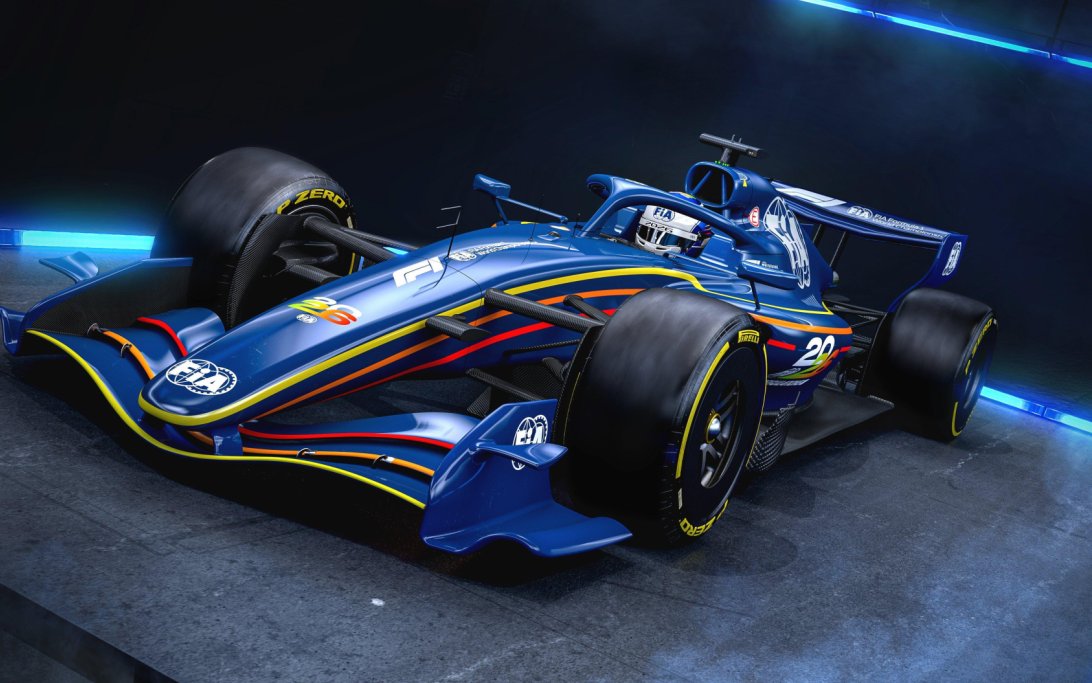
Serene F1 Teams Predict New Car Designs Will Cause 'chaos' In Melbourne Image for Desktop
Discover an amazing f1 teams predict new car designs will cause 'chaos' in melbourne background image, ideal for personalizing your devices with vibrant colors and intricate designs.

Mesmerizing F1 Teams Predict New Car Designs Will Cause 'chaos' In Melbourne Artwork Nature
Discover an amazing f1 teams predict new car designs will cause 'chaos' in melbourne background image, ideal for personalizing your devices with vibrant colors and intricate designs.
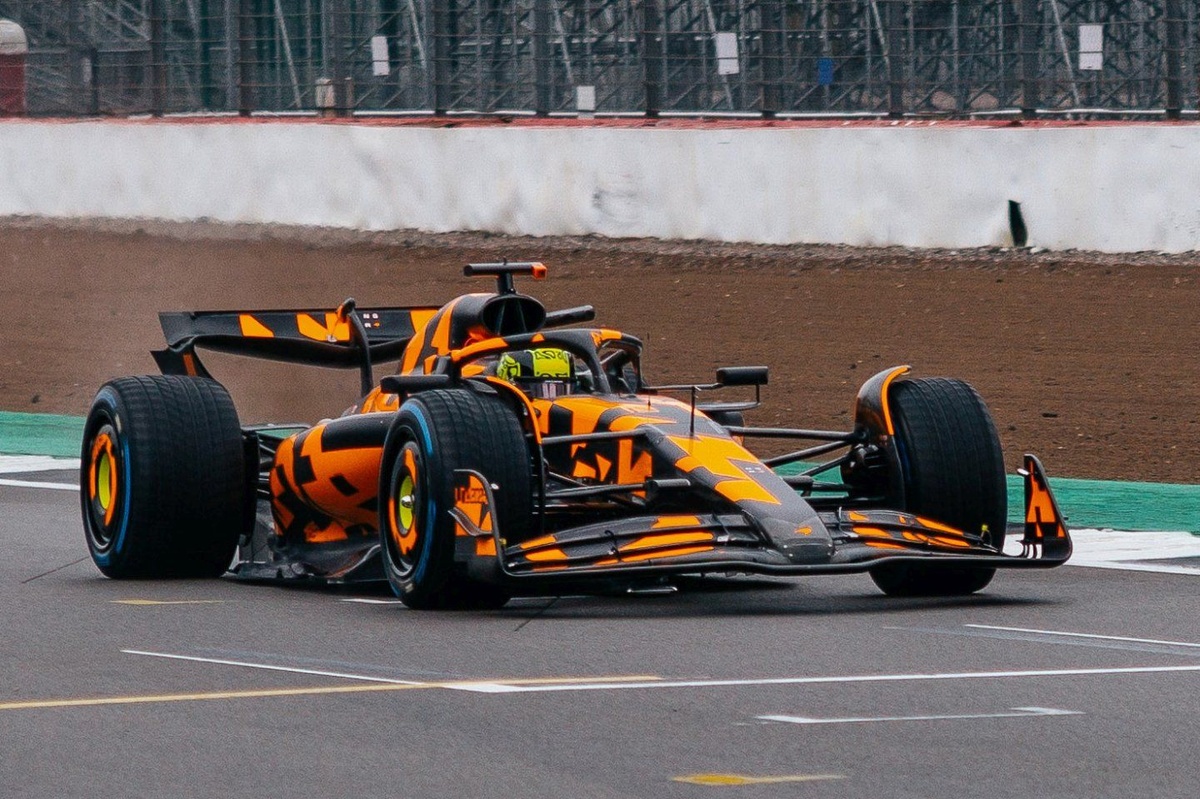
Dynamic F1 Teams Predict New Car Designs Will Cause 'chaos' In Melbourne Scene Nature
A captivating f1 teams predict new car designs will cause 'chaos' in melbourne scene that brings tranquility and beauty to any device.
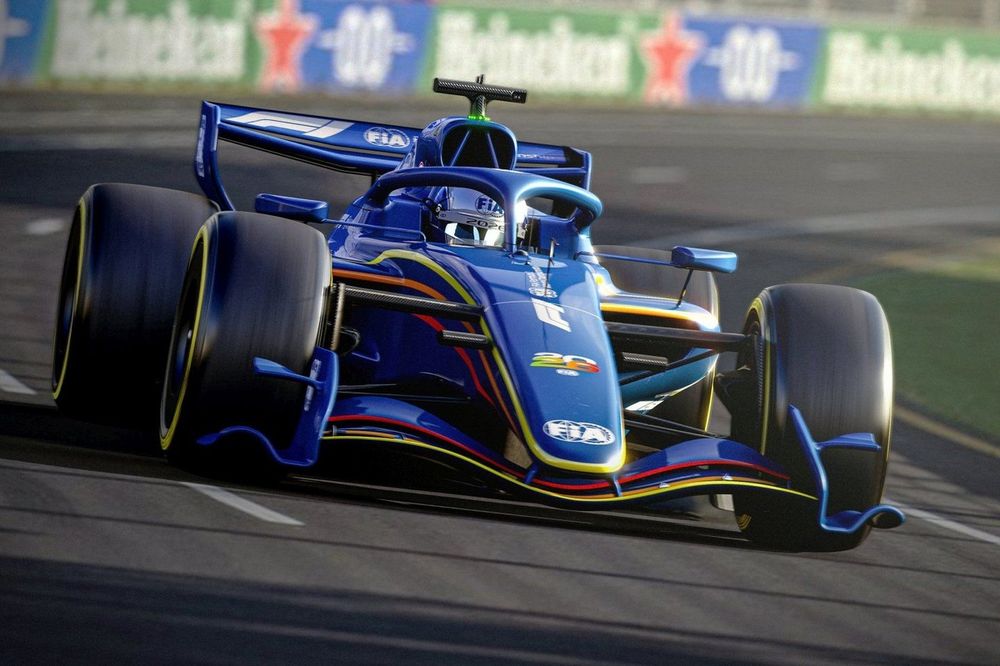
Crisp F1 Teams Predict New Car Designs Will Cause 'chaos' In Melbourne Moment Photography
This gorgeous f1 teams predict new car designs will cause 'chaos' in melbourne photo offers a breathtaking view, making it a perfect choice for your next wallpaper.

Beautiful F1 Teams Predict New Car Designs Will Cause 'chaos' In Melbourne Landscape in HD
Experience the crisp clarity of this stunning f1 teams predict new car designs will cause 'chaos' in melbourne image, available in high resolution for all your screens.

Mesmerizing F1 Teams Predict New Car Designs Will Cause 'chaos' In Melbourne Landscape in HD
Experience the crisp clarity of this stunning f1 teams predict new car designs will cause 'chaos' in melbourne image, available in high resolution for all your screens.

Detailed F1 Teams Predict New Car Designs Will Cause 'chaos' In Melbourne Abstract Illustration
Experience the crisp clarity of this stunning f1 teams predict new car designs will cause 'chaos' in melbourne image, available in high resolution for all your screens.
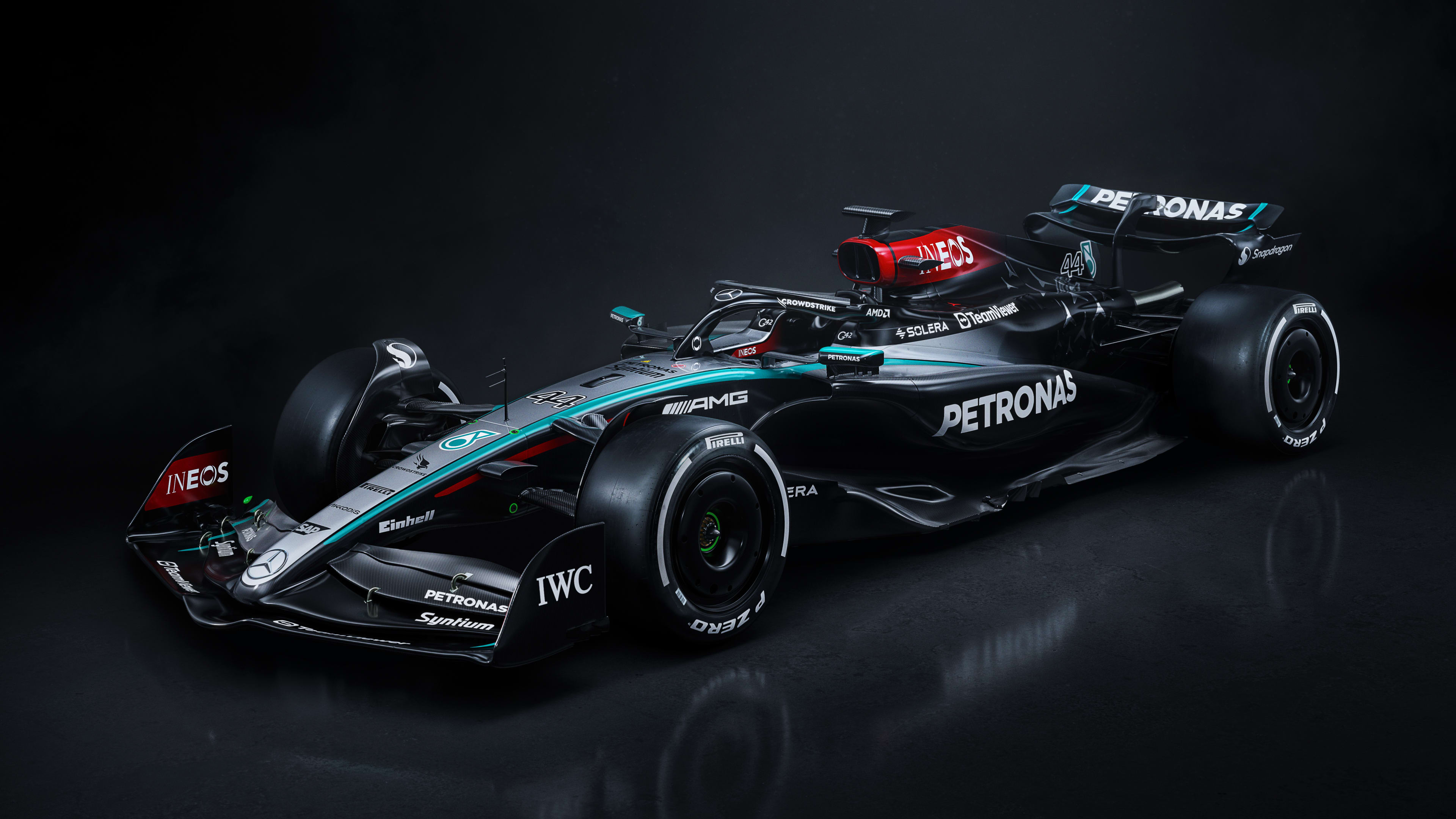
Detailed F1 Teams Predict New Car Designs Will Cause 'chaos' In Melbourne View for Desktop
Discover an amazing f1 teams predict new car designs will cause 'chaos' in melbourne background image, ideal for personalizing your devices with vibrant colors and intricate designs.

Crisp F1 Teams Predict New Car Designs Will Cause 'chaos' In Melbourne View Art
A captivating f1 teams predict new car designs will cause 'chaos' in melbourne scene that brings tranquility and beauty to any device.
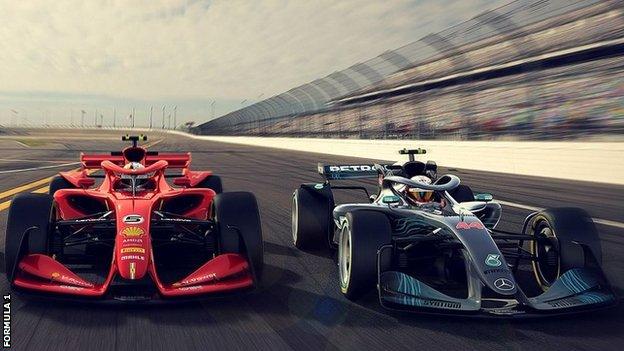
Amazing F1 Teams Predict New Car Designs Will Cause 'chaos' In Melbourne Design in 4K
Explore this high-quality f1 teams predict new car designs will cause 'chaos' in melbourne image, perfect for enhancing your desktop or mobile wallpaper.

Stunning F1 Teams Predict New Car Designs Will Cause 'chaos' In Melbourne Landscape in 4K
This gorgeous f1 teams predict new car designs will cause 'chaos' in melbourne photo offers a breathtaking view, making it a perfect choice for your next wallpaper.
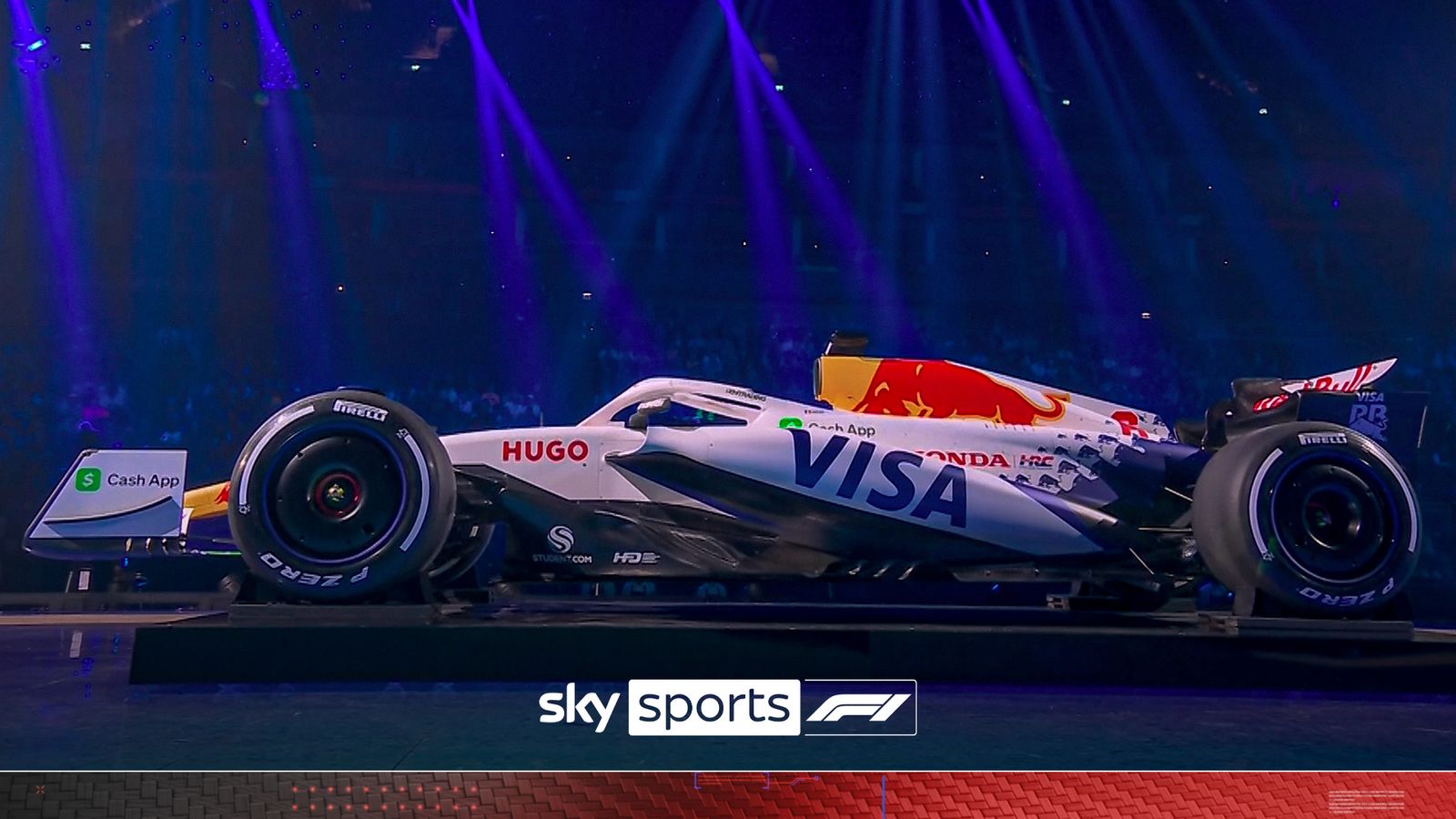
Lush F1 Teams Predict New Car Designs Will Cause 'chaos' In Melbourne Moment Nature
A captivating f1 teams predict new car designs will cause 'chaos' in melbourne scene that brings tranquility and beauty to any device.

Vibrant F1 Teams Predict New Car Designs Will Cause 'chaos' In Melbourne Background Concept
Explore this high-quality f1 teams predict new car designs will cause 'chaos' in melbourne image, perfect for enhancing your desktop or mobile wallpaper.
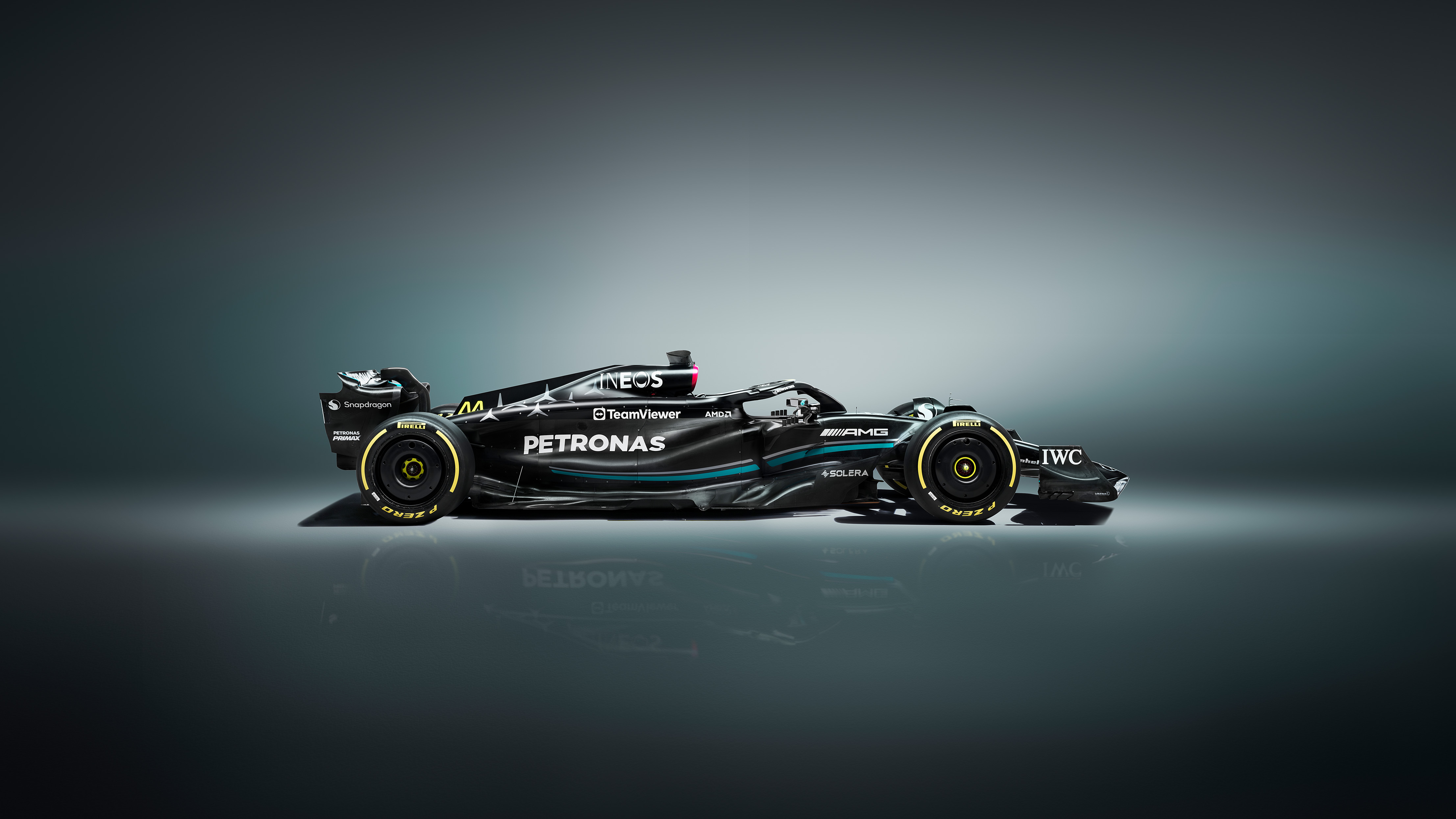
Mesmerizing F1 Teams Predict New Car Designs Will Cause 'chaos' In Melbourne Image for Mobile
Experience the crisp clarity of this stunning f1 teams predict new car designs will cause 'chaos' in melbourne image, available in high resolution for all your screens.
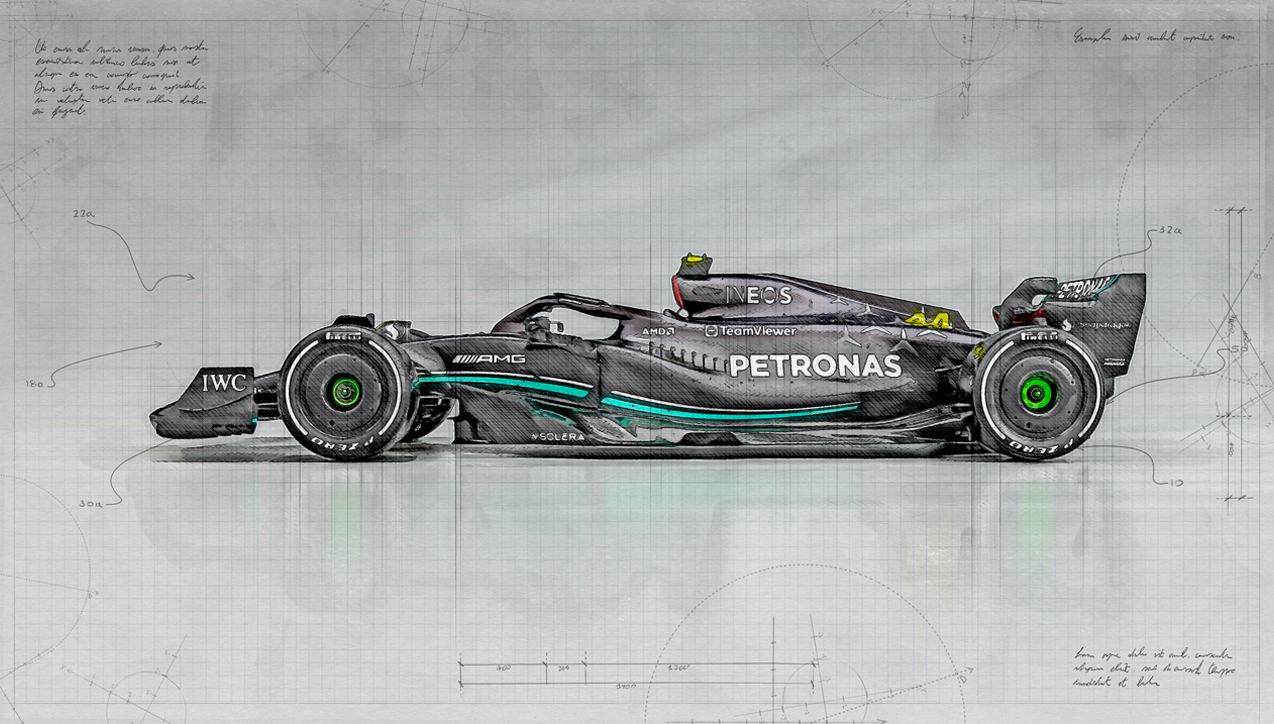
Stunning F1 Teams Predict New Car Designs Will Cause 'chaos' In Melbourne Moment in HD
Immerse yourself in the stunning details of this beautiful f1 teams predict new car designs will cause 'chaos' in melbourne wallpaper, designed for a captivating visual experience.

Mesmerizing F1 Teams Predict New Car Designs Will Cause 'chaos' In Melbourne Scene in HD
Experience the crisp clarity of this stunning f1 teams predict new car designs will cause 'chaos' in melbourne image, available in high resolution for all your screens.
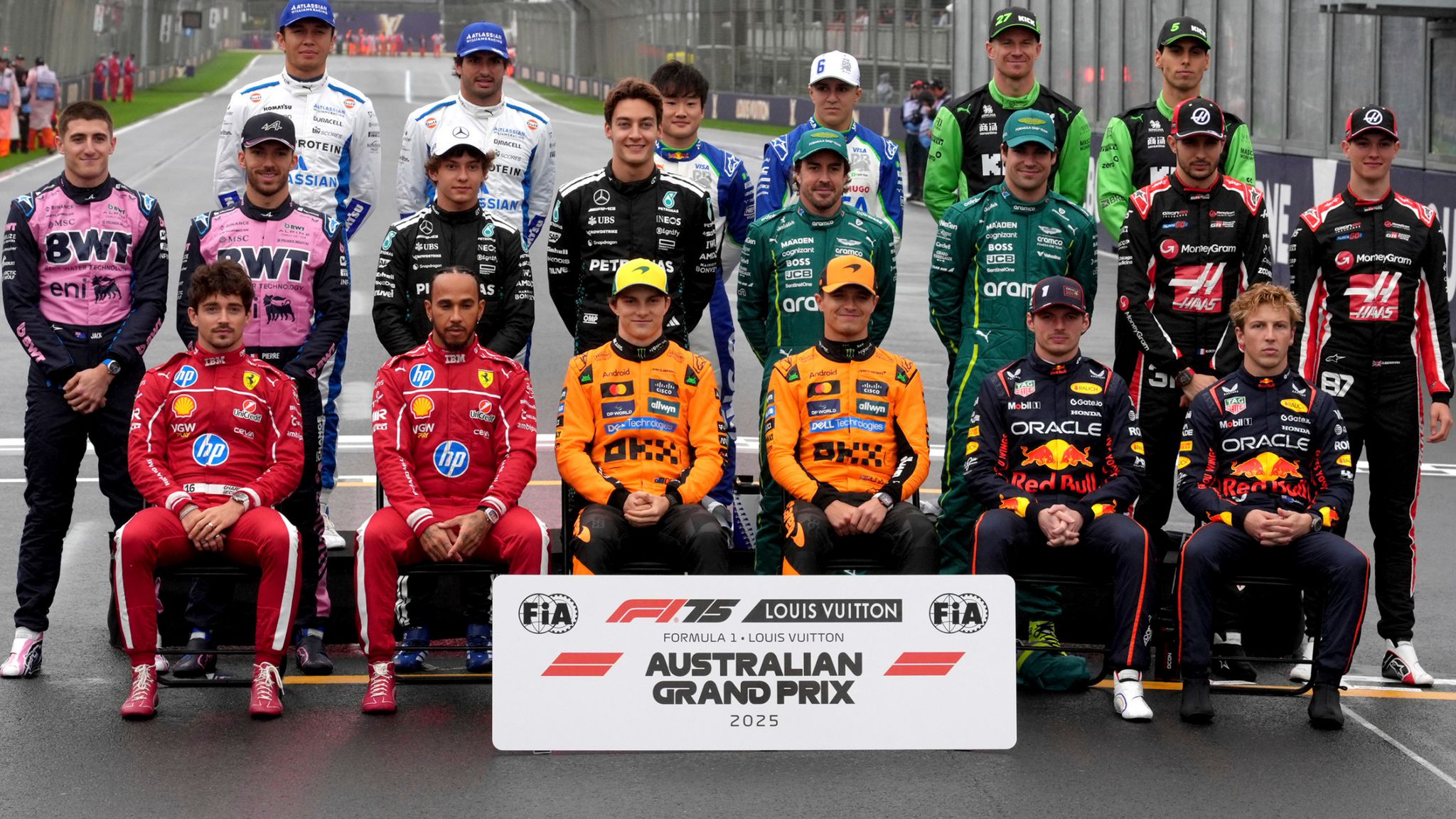
Serene F1 Teams Predict New Car Designs Will Cause 'chaos' In Melbourne Image Digital Art
Explore this high-quality f1 teams predict new car designs will cause 'chaos' in melbourne image, perfect for enhancing your desktop or mobile wallpaper.
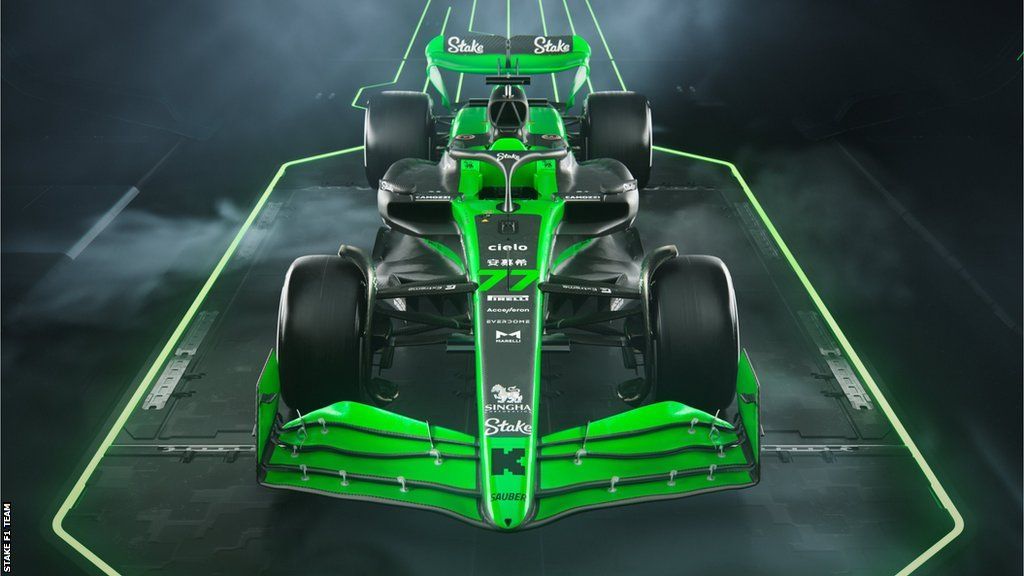
Spectacular F1 Teams Predict New Car Designs Will Cause 'chaos' In Melbourne Image Nature
Find inspiration with this unique f1 teams predict new car designs will cause 'chaos' in melbourne illustration, crafted to provide a fresh look for your background.

Captivating F1 Teams Predict New Car Designs Will Cause 'chaos' In Melbourne Moment Digital Art
A captivating f1 teams predict new car designs will cause 'chaos' in melbourne scene that brings tranquility and beauty to any device.
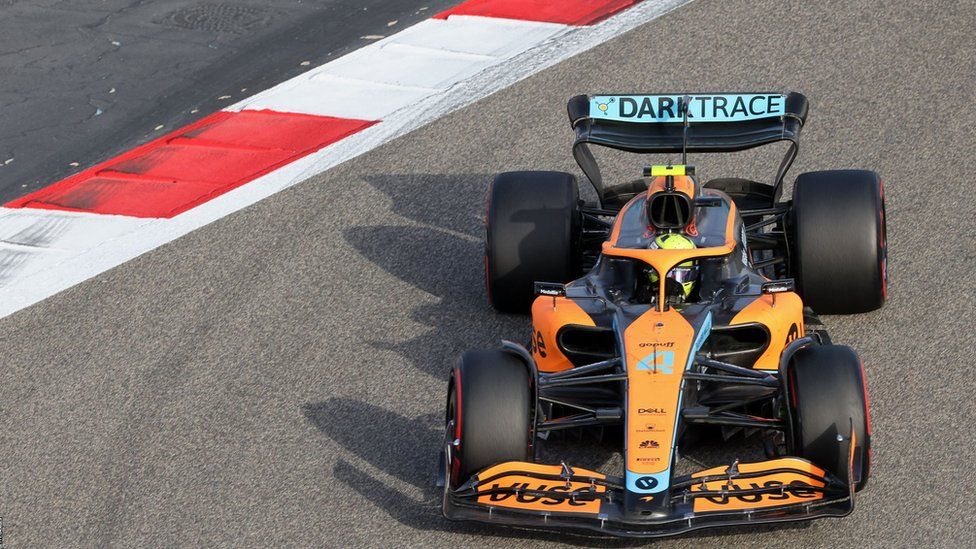
Dynamic F1 Teams Predict New Car Designs Will Cause 'chaos' In Melbourne Image Collection
This gorgeous f1 teams predict new car designs will cause 'chaos' in melbourne photo offers a breathtaking view, making it a perfect choice for your next wallpaper.
Download these f1 teams predict new car designs will cause 'chaos' in melbourne wallpapers for free and use them on your desktop or mobile devices.
0 Response to "F1 teams predict new car designs will cause 'chaos' in Melbourne"
Post a Comment