Dye Colours
Tired of Fading Hues? Mastering Dye Colours for Lasting, Vibrant Results
There is something fundamentally magical about colour—especially when it transforms a plain material into a masterpiece. If you've ever tried to dip-dye a shirt or repaint furniture, you quickly realize that the world of colour isn't just about the shade you pick; it's about chemistry, history, and application.
Welcome to the deep dive on **Dye Colours**. This isn't just a guide on picking 'blue' or 'red'; it's about understanding why certain dyes stick perfectly to cotton but slide right off polyester, ensuring your projects remain vibrant for years, not just weeks.
The Core Science Behind Dye Colours
At its heart, a dye is a substance that chemically or physically bonds with a substrate (like fabric or hair). Unlike pigments, which sit on the surface, dyes actually penetrate the material.
The science of colour itself relies on compounds called 'chromophores' (the group of atoms responsible for the colour) and 'auxochromes' (groups that intensify the colour and help the dye bond to the fiber). When these groups interact with light, we perceive the resulting colour.
Natural Dyes: The Earth's Palette
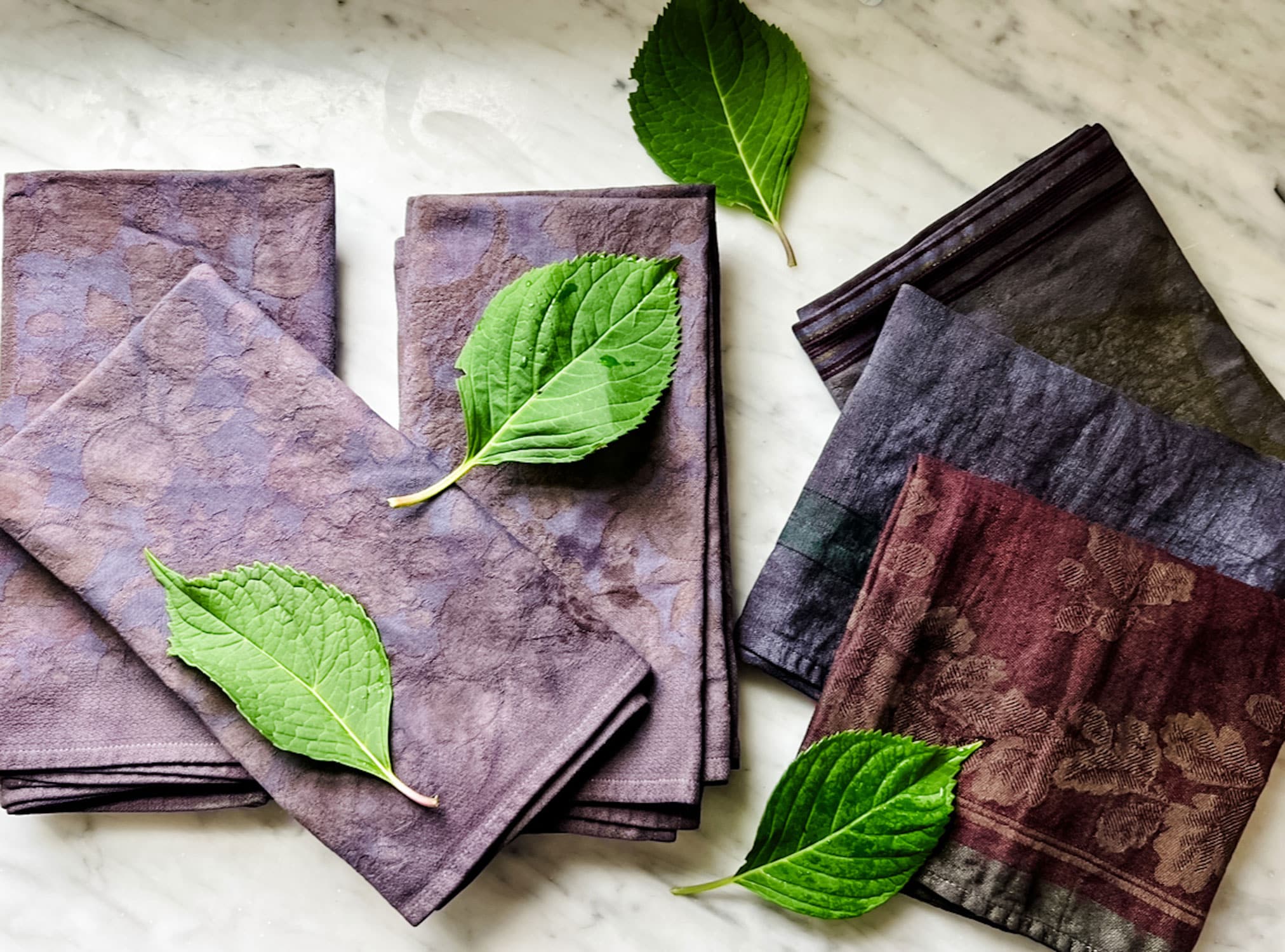
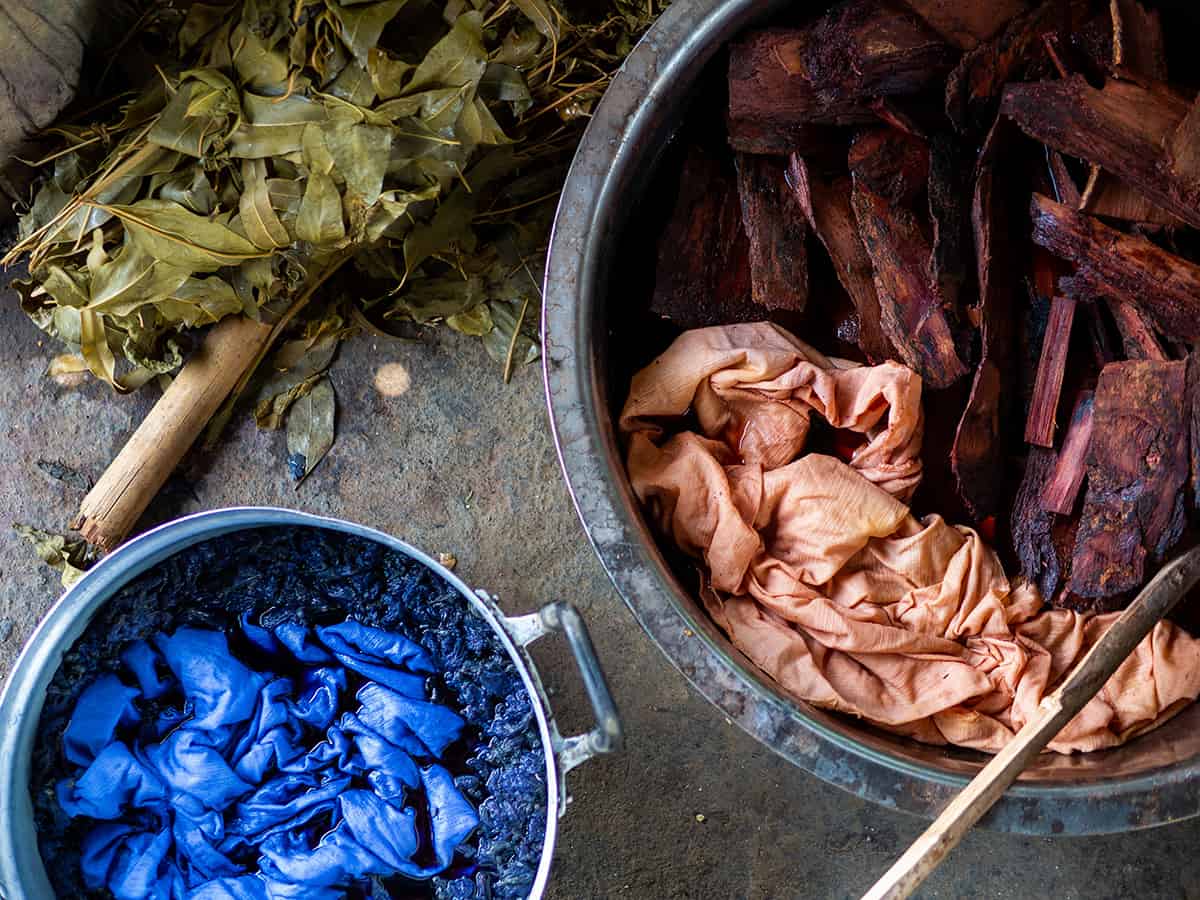
For thousands of years, humans relied solely on nature for their vibrant shades. Think crushed insects (cochineal red), tree bark, roots (madder), and leaves (indigo). These dyes are generally non-toxic and biodegradable, making them environmentally sound.
However, natural **Dye Colours** often require a 'mordant' (usually a metallic salt) to chemically fix the colour to the fiber. Without a proper mordant, the colour washes out easily. Their colour saturation and consistency can also be harder to control than their synthetic counterparts.
Synthetic Dyes: Modern Color Revolution
The dye world fundamentally changed in 1856 with the discovery of Mauveine by William Henry Perkin. Synthetic dyes, primarily derived from petroleum and coal tar, offer incredible benefits:
- Unmatched Color Intensity (High fastness).
- Perfect Batch Consistency.
- Wider availability and lower cost.
Today, synthetic dyes account for the vast majority of commercial applications, enabling the bright, stable shades we see in modern textiles and plastics. If you want a specific, non-fading colour, synthetic is often the answer. For detailed classifications, you can check out the international indexing system: The Colour Index International (Wikipedia).
Understanding Dye Classifications by Application
Choosing the right dye is entirely dependent on the material you are colouring. Fibers fall into two main categories: Cellulose (plant-based like cotton, linen) and Protein/Synthetic (animal-based like wool, silk, or man-made polymers).
Direct and Reactive Dyes (For Cellulose Fibers)
If you are working with cotton or rayon, Direct and Reactive dyes are your go-to. Direct dyes are simple to use but offer relatively poor wash fastness. Reactive dyes, however, are kings of permanence.
Reactive dyes form a covalent bond—a strong chemical marriage—with the cellulose molecule itself. This is why a professionally dyed shirt using reactive dyes holds up to repeated washing far better than one dyed with simple craft dyes. [Baca Juga: Guide to Natural Fibers]
Acid and Basic Dyes (For Protein and Acrylic Fibers)
Dyeing wool, silk, or nylon requires a different approach due to their molecular structure (polyamides). Acid dyes are effective here because they bond well with the positively charged sites in the protein structure.
Conversely, Basic dyes (also known as Cationic dyes) are best suited for synthetic fibers like Acrylic. These fibers carry a negative charge, making them highly attracted to the positively charged basic dye molecules, resulting in intense colours and high light fastness.
E-E-A-T Deep Dive: Choosing the Right Dye for Your Material
As a Senior SEO Content Writer, I stress that understanding dye chemistry is vital for successful results. If you try to use a cotton-specific dye (like Reactive) on 100% polyester, you will end up with a very pale, non-permanent result, as there are no cellulose bonds for the dye to attach to.
For synthetic fabrics like polyester, you need Disperse dyes, which require high heat and pressure to allow the dye molecules to 'dissolve' into the tight polymeric structure of the fiber.
Here is a quick reference table comparing the most common types of **Dye Colours** based on their application and required processes:
| Dye Type | Best For | Fastness (Permanence) | Process Notes |
|---|---|---|---|
| Reactive | Cotton, Linen, Viscose | Excellent | Requires Soda Ash or fixer. Forms a covalent bond. |
| Acid | Wool, Silk, Nylon | Very Good | Requires acidic environment (vinegar). |
| Disperse | Polyester, Acetate | Excellent | Requires high heat and specific equipment. |
| Natural | Protein & Cellulose Fibers | Variable (Good with proper mordanting) | Requires a mordant (alum, iron, etc.). |
Sustainability and Safety: The Future of Dye Colours
While synthetic dyes offer incredible technological advantages, the textile dyeing process has long been a source of environmental concern due to wastewater pollution and the use of hazardous chemicals.
The industry is rapidly shifting toward cleaner practices. Key trends include:
- **Azo-Free Dyes:** Avoiding harmful Azo compounds known to potentially break down into carcinogenic amines.
- **Reduced Water Usage:** Technologies like supercritical carbon dioxide dyeing (which uses CO2 instead of water) are gaining traction, especially for polyester.
- **Natural Dyes Rediscovered:** Renewed interest in sustainable, ethically sourced natural pigments.
Consumers and manufacturers are increasingly looking for certifications (like GOTS or Oeko-Tex Standard 100) that ensure the entire supply chain, including the use of **Dye Colours**, meets strict ecological and toxicological criteria. The EPA provides comprehensive guidelines on wastewater standards for textile manufacturing.
This commitment to safety ensures that the vibrant colours we enjoy don't come at the expense of planetary health. [Baca Juga: Eco-Friendly Dyeing Techniques]
Conclusion: The Art and Science of Lasting Color
The journey through **Dye Colours** reveals a fascinating interplay between ancient natural craft and cutting-edge organic chemistry. Whether you choose the subtle depth of natural indigo or the robust permanence of a synthetic reactive dye, the key to success lies in matching the dye to the fiber and understanding the required chemical environment (heat, acid, or salt).
By applying these fundamental principles, you move beyond guesswork, ensuring your textile projects achieve the rich, vibrant, and lasting hues they deserve.
Frequently Asked Questions (FAQ) About Dye Colours
What is the difference between a dye and a pigment?
A dye is a soluble substance that chemically or physically bonds with and penetrates the substrate (like fabric). A pigment is an insoluble particle that requires a binder (adhesive) to attach it to the surface, creating a coating rather than a true stain.
Why do some fabrics resist dyeing?
Highly synthetic, oil-based fibers like polyester and polypropylene are inherently difficult to dye because they lack the chemical bonding sites (like hydroxyl or amino groups) found in natural fibers. They require specific, high-heat processes (Disperse dyes) to force the colour into the structure.
What is dye fastness?
Dye fastness refers to the ability of a dye colour to resist fading or bleeding when exposed to environmental factors such as washing, rubbing (crocking), light, or sweat. Reactive dyes generally have the highest wash fastness.
Is it possible to dye 100% polyester at home?
It is extremely difficult to achieve deep, permanent **Dye Colours** on 100% polyester at home because it requires temperatures exceeding the boiling point of water (often 250°F / 120°C) to effectively use Disperse dyes. Specialized equipment like pressurized steamers is usually necessary.
--- End of Article: Mastering Dye Colours ---
Dye Colours
Dye Colours Wallpapers
Collection of dye colours wallpapers for your desktop and mobile devices.
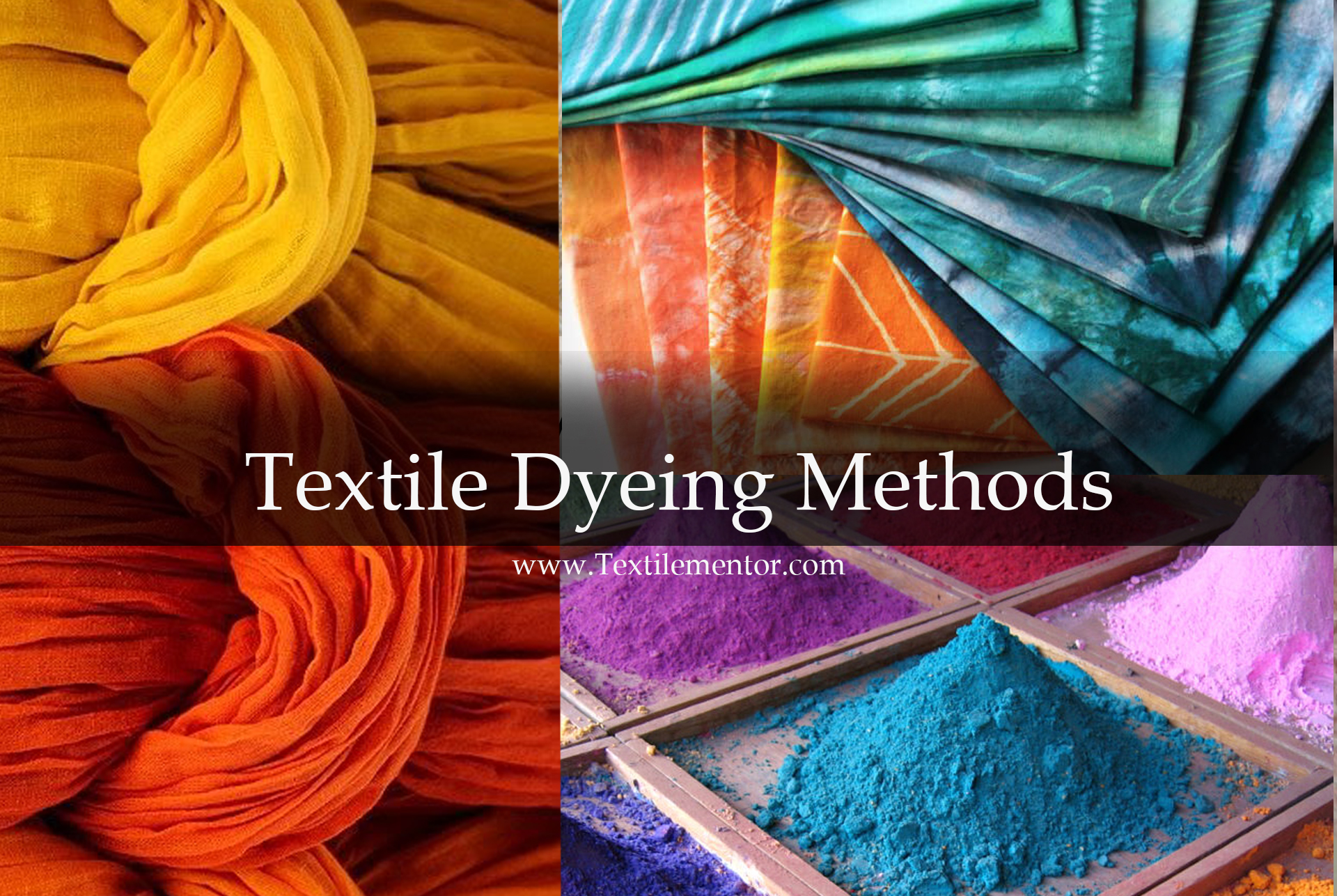
Exquisite Dye Colours Moment for Your Screen
A captivating dye colours scene that brings tranquility and beauty to any device.
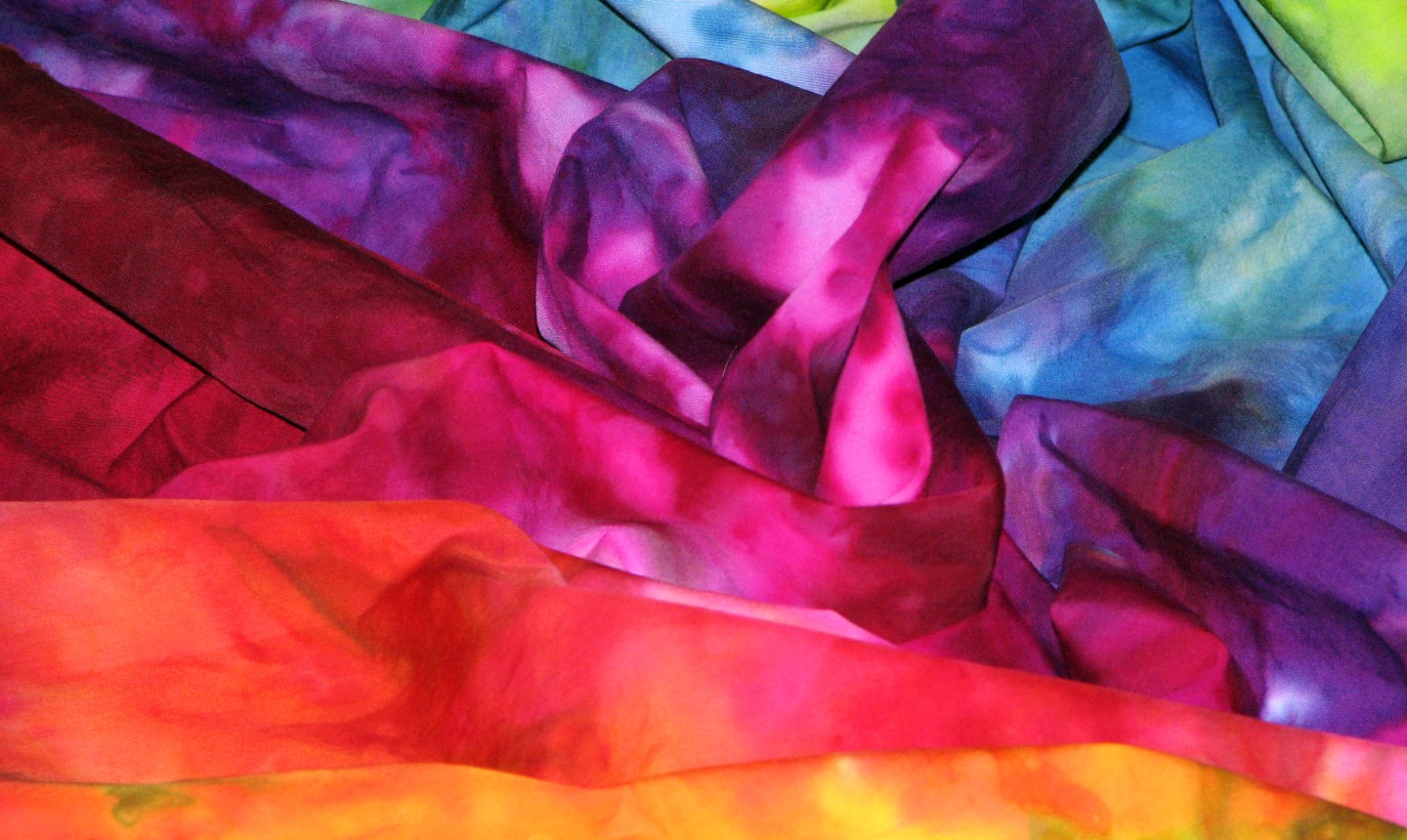
Mesmerizing Dye Colours Landscape for Mobile
Explore this high-quality dye colours image, perfect for enhancing your desktop or mobile wallpaper.

Lush Dye Colours Abstract Art
Find inspiration with this unique dye colours illustration, crafted to provide a fresh look for your background.

Dynamic Dye Colours Artwork Digital Art
A captivating dye colours scene that brings tranquility and beauty to any device.
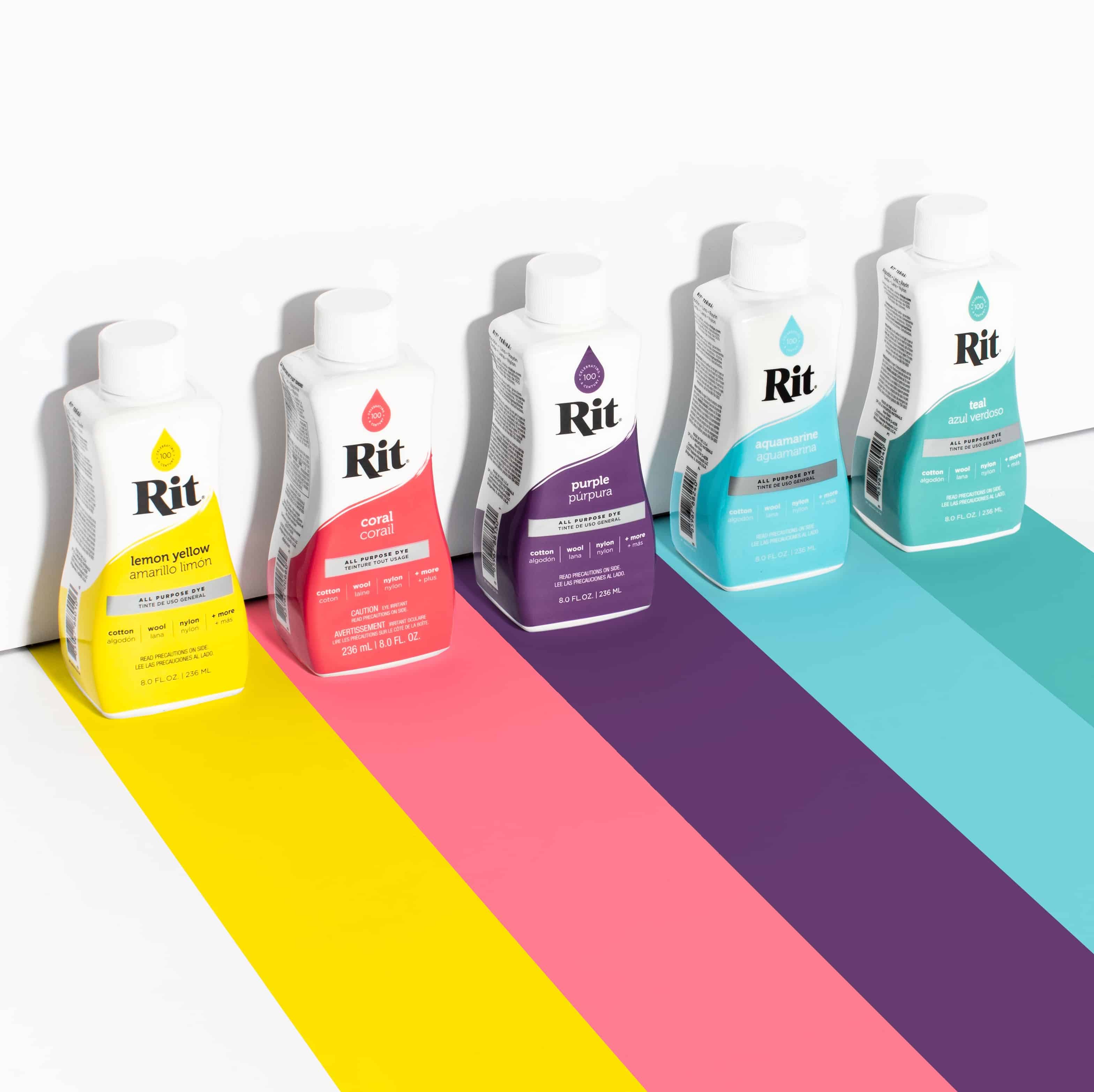
Artistic Dye Colours View in 4K
Find inspiration with this unique dye colours illustration, crafted to provide a fresh look for your background.

Captivating Dye Colours Artwork for Mobile
This gorgeous dye colours photo offers a breathtaking view, making it a perfect choice for your next wallpaper.

High-Quality Dye Colours Image Digital Art
Experience the crisp clarity of this stunning dye colours image, available in high resolution for all your screens.

Vivid Dye Colours Background Collection
Explore this high-quality dye colours image, perfect for enhancing your desktop or mobile wallpaper.
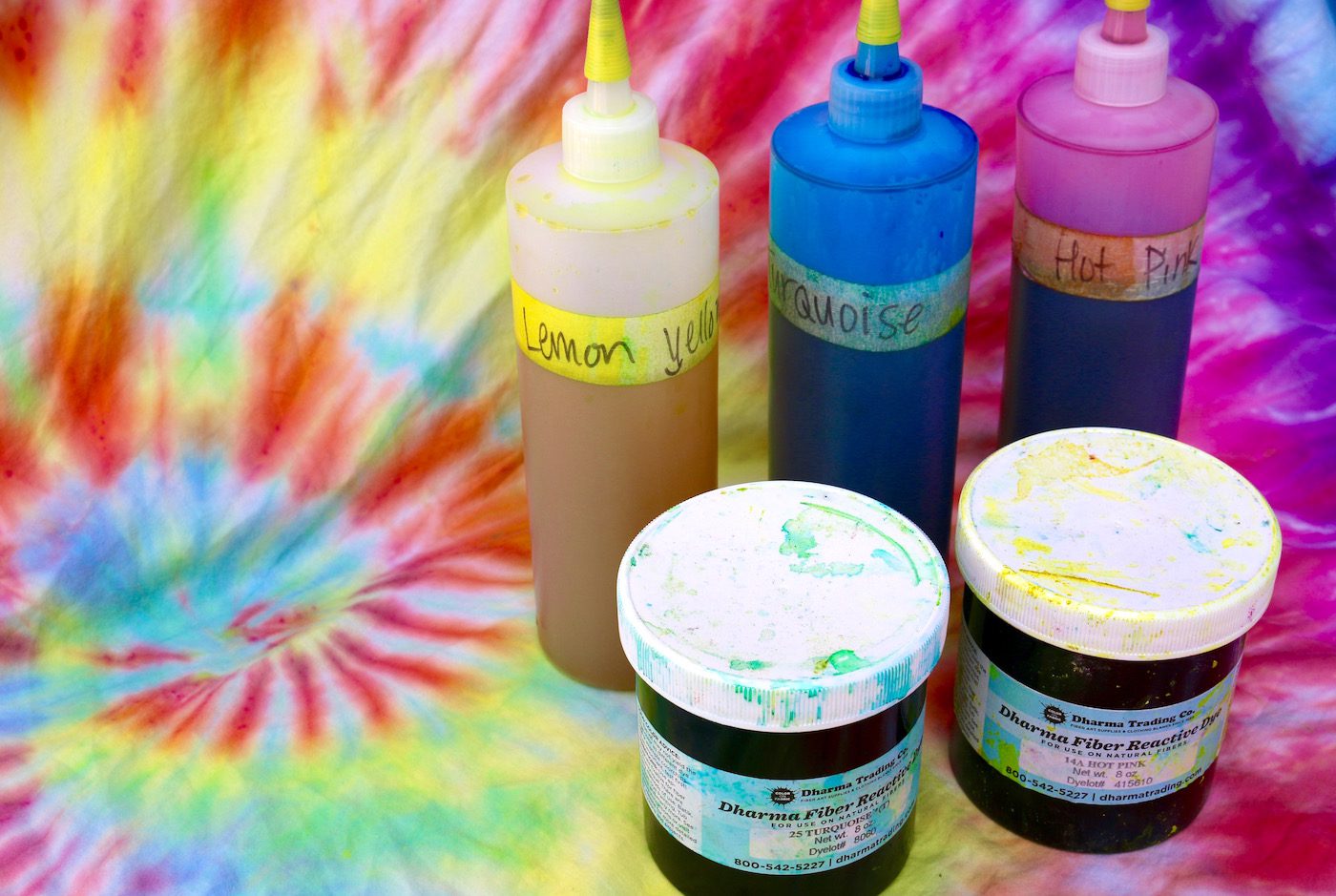
Beautiful Dye Colours Photo Concept
Transform your screen with this vivid dye colours artwork, a true masterpiece of digital design.

Serene Dye Colours Design Nature
Explore this high-quality dye colours image, perfect for enhancing your desktop or mobile wallpaper.
Spectacular Dye Colours Abstract Concept
A captivating dye colours scene that brings tranquility and beauty to any device.
Artistic Dye Colours Moment for Desktop
A captivating dye colours scene that brings tranquility and beauty to any device.

Captivating Dye Colours Photo in HD
Immerse yourself in the stunning details of this beautiful dye colours wallpaper, designed for a captivating visual experience.
:strip_icc()/How-to-make-natural-fabric-dyes-96e4f66361d74f93b92593da72f8d96f.jpg "Vibrant Dye Colours Design for Mobile")
Vibrant Dye Colours Design for Mobile
Transform your screen with this vivid dye colours artwork, a true masterpiece of digital design.
Breathtaking Dye Colours Scene for Mobile
Explore this high-quality dye colours image, perfect for enhancing your desktop or mobile wallpaper.

Breathtaking Dye Colours Moment for Your Screen
Explore this high-quality dye colours image, perfect for enhancing your desktop or mobile wallpaper.
Captivating Dye Colours Abstract for Desktop
Find inspiration with this unique dye colours illustration, crafted to provide a fresh look for your background.
Amazing Dye Colours Design in 4K
Explore this high-quality dye colours image, perfect for enhancing your desktop or mobile wallpaper.

Beautiful Dye Colours Scene in HD
Explore this high-quality dye colours image, perfect for enhancing your desktop or mobile wallpaper.
High-Quality Dye Colours Image Photography
Discover an amazing dye colours background image, ideal for personalizing your devices with vibrant colors and intricate designs.
Download these dye colours wallpapers for free and use them on your desktop or mobile devices.
0 Response to "Dye Colours"
Post a Comment